The major modernization of the camp in Běleč culminates
A major reconstruction is nearing completion at the camp in Běleč nad Orlicí, which aims to reduce the energy consumption of the buildings, contribute to increasing the comfort of those accommodated, and enable full year-round operation of the center.
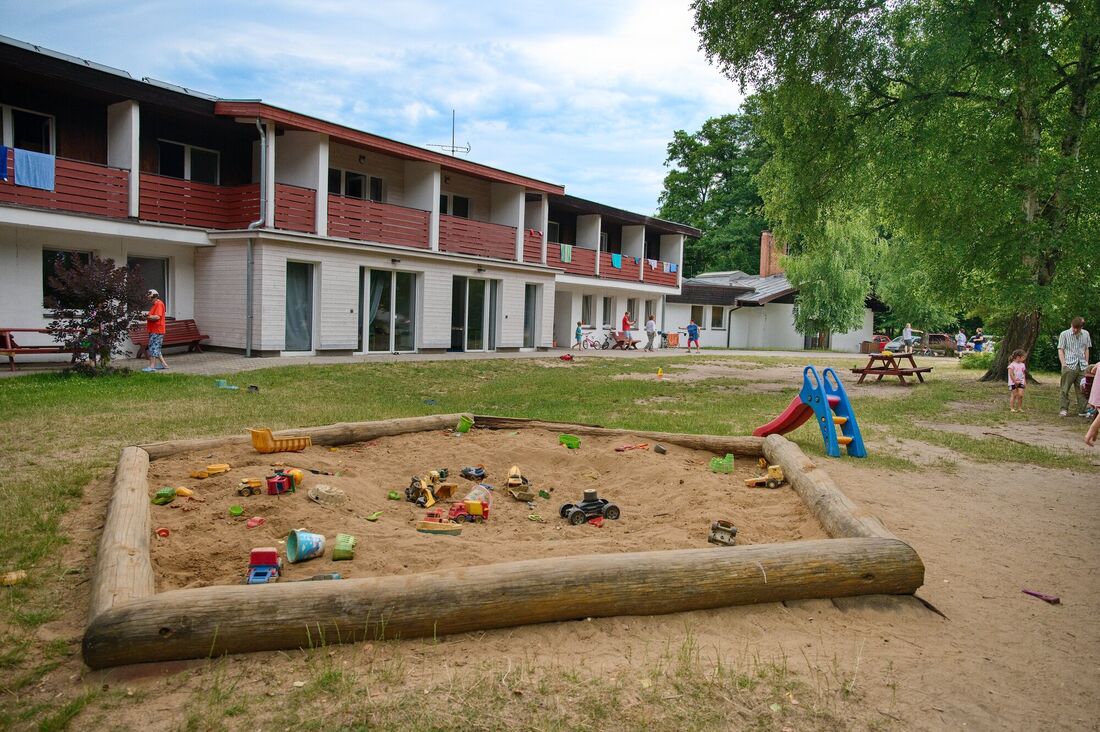
The Jan Amos Comenius Camp in Běleč nad Orlicí is the largest recreational center of the Evangelical Church. Its uniqueness stems not only from the tradition of summer stays for youth dating back to the First Republic. In modern history, it has also entered the hearts of many generations with its unique concept of stays for people with disabilities and their families, where, thanks to dozens of volunteers providing the necessary care, family caregivers can take a break and spend a relaxing vacation together.
In addition to traditional summer camps, there are also church events and family vacations, and throughout the rest of the year, there are also schools in nature, company and association stays, training courses, sports camps and other church and non-church events.
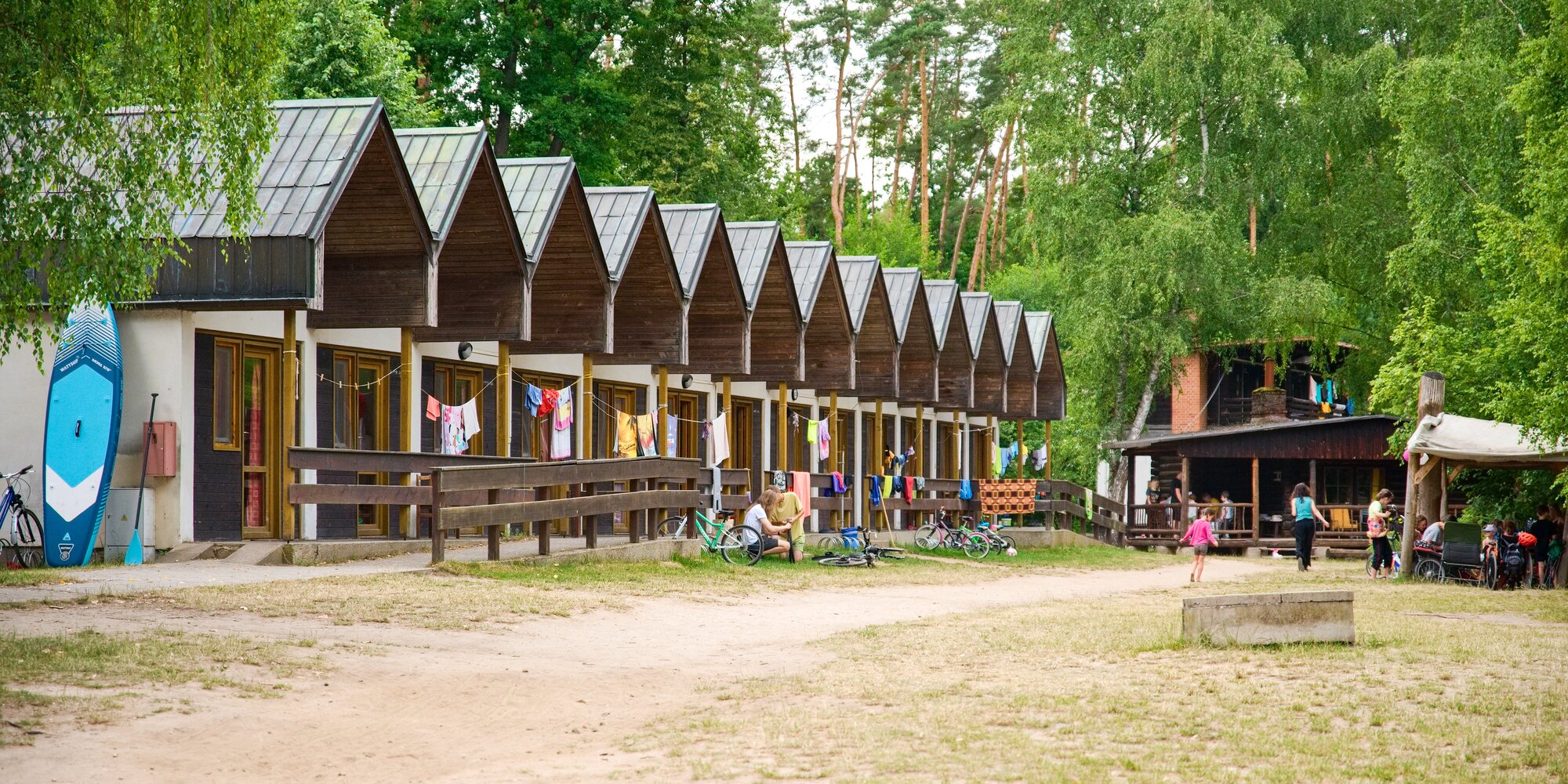
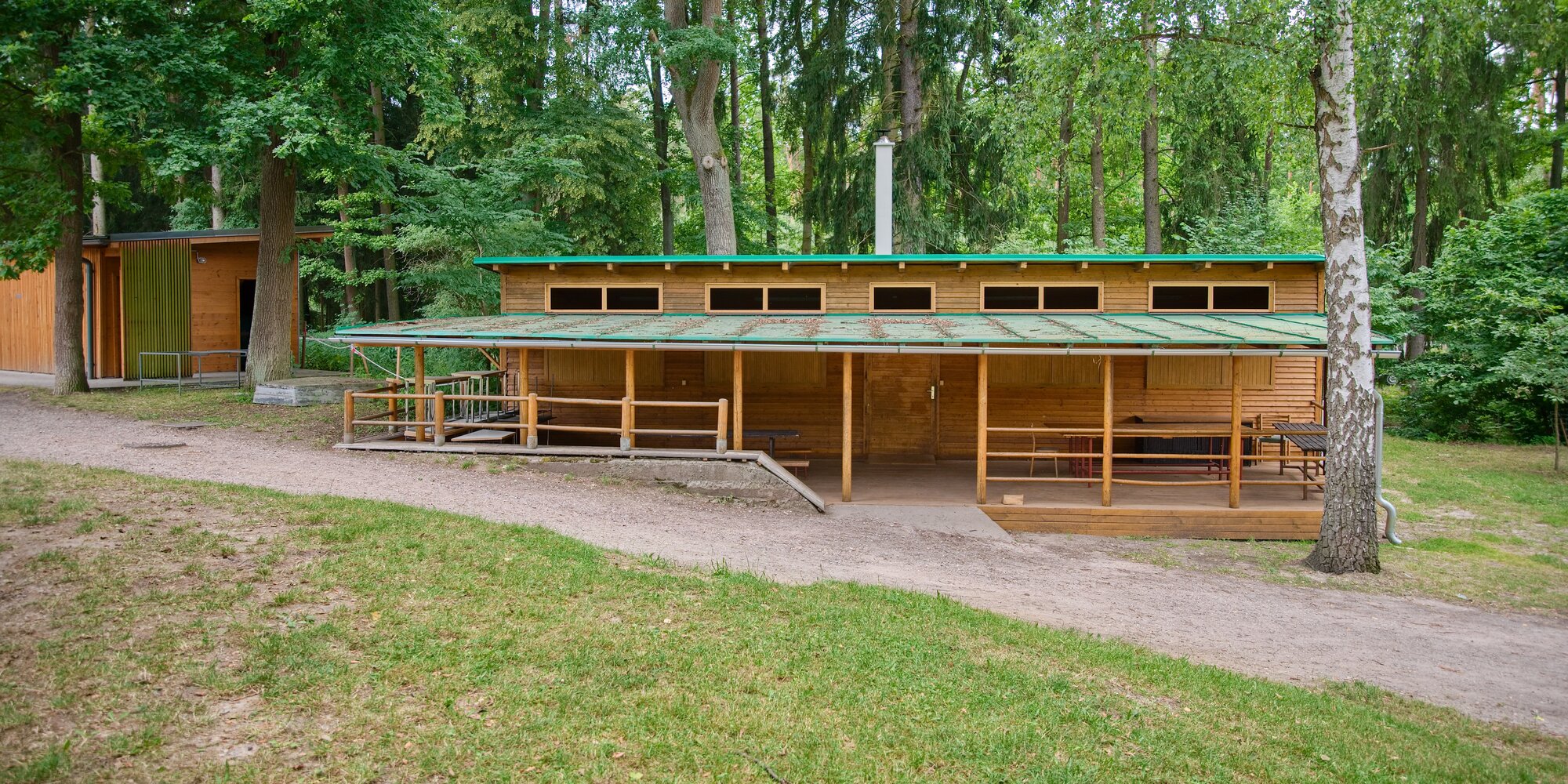
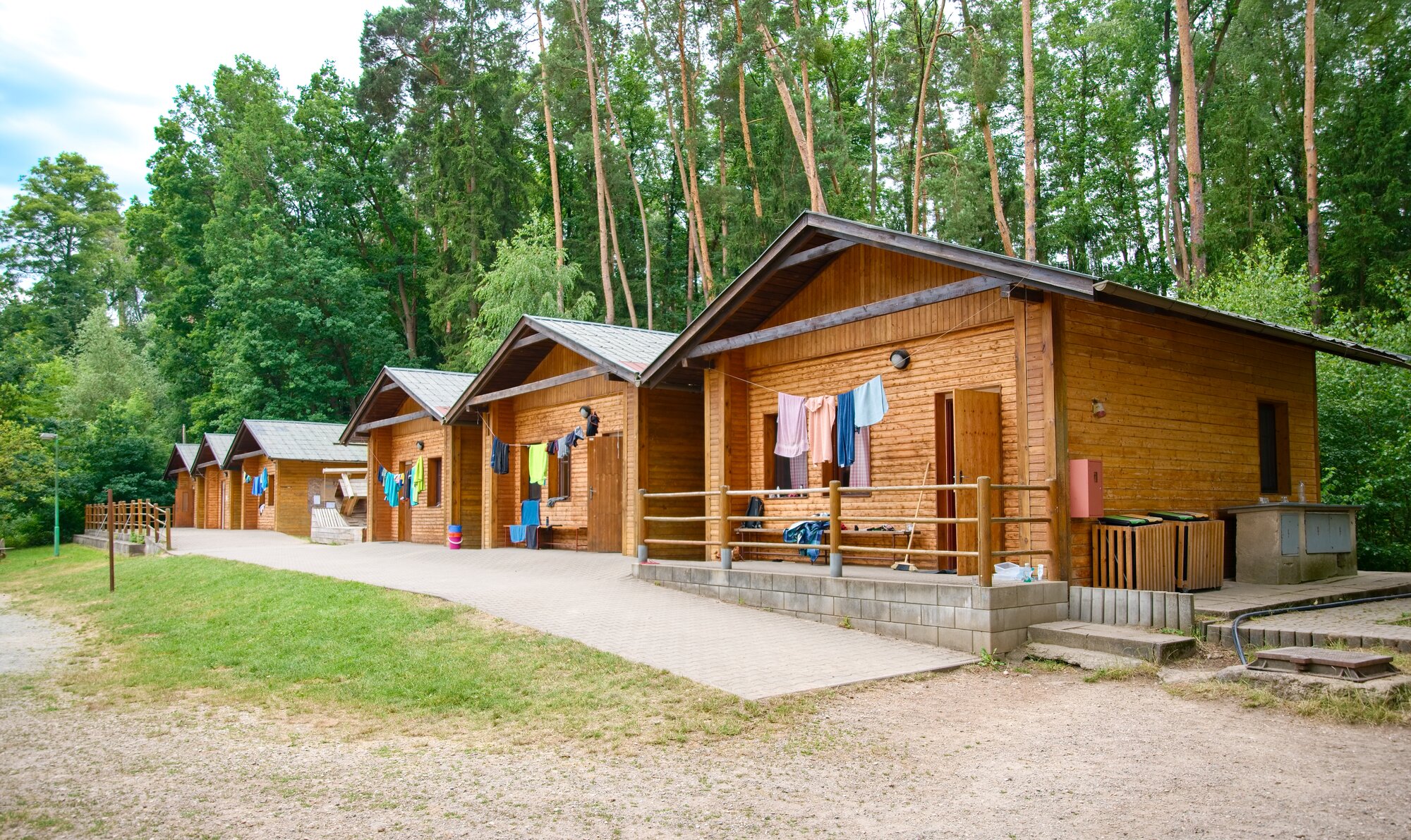
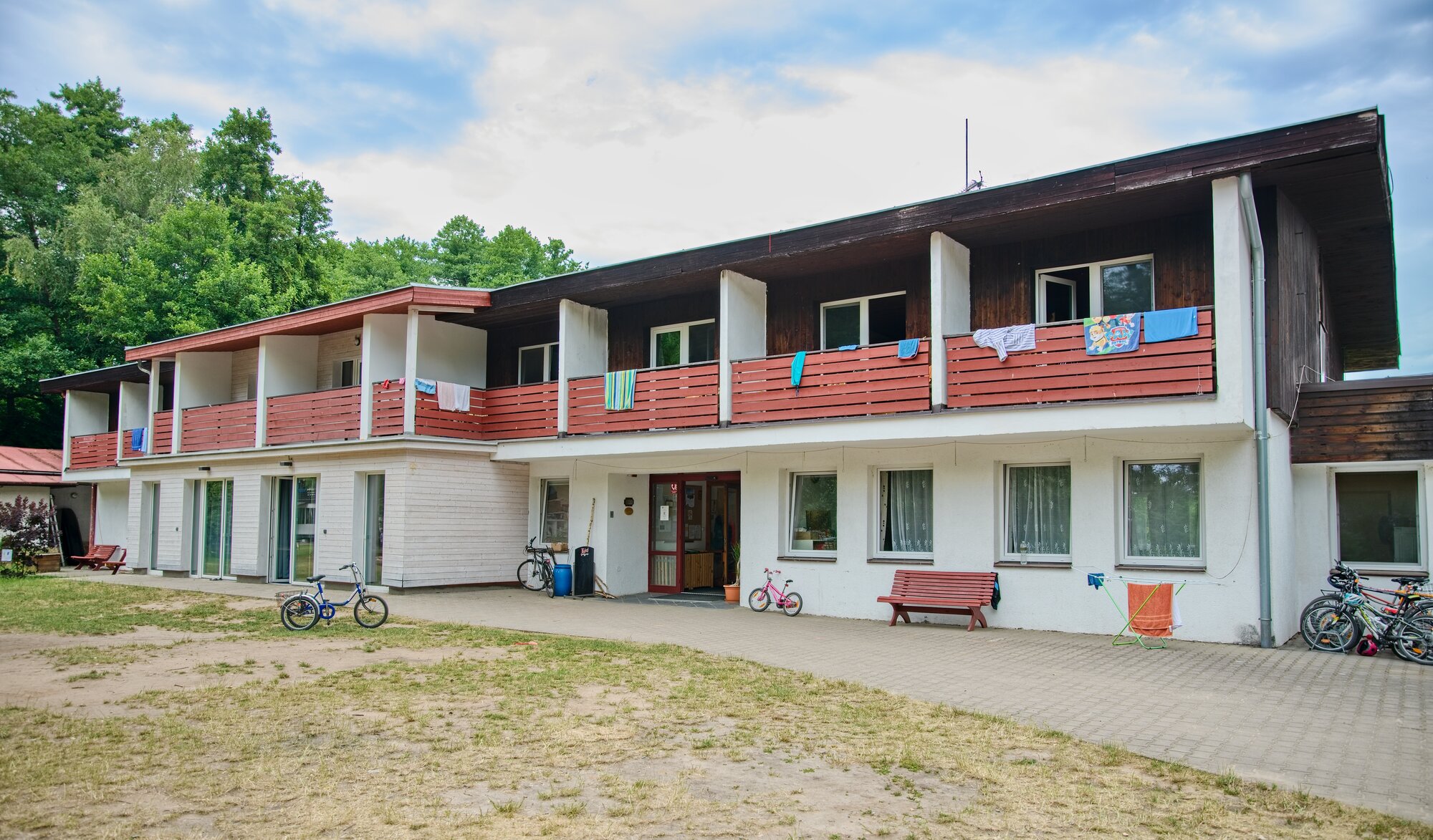
The previous regime took the camp from the church and returned it after 1989 in a neglected state that did not meet basic standards and requirements. That is why the Evangelical Church continuously invests in the area.
A few years ago, a fundamental decision was made: the camp should operate year-round and should mostly earn its own money through its operation, so that it would not be dependent on contributions from parishes and donors. This was also one of the reasons why several measures were implemented, the common goal of which is to reduce the energy and operational requirements of the area and extend the season to the colder periods of the year.
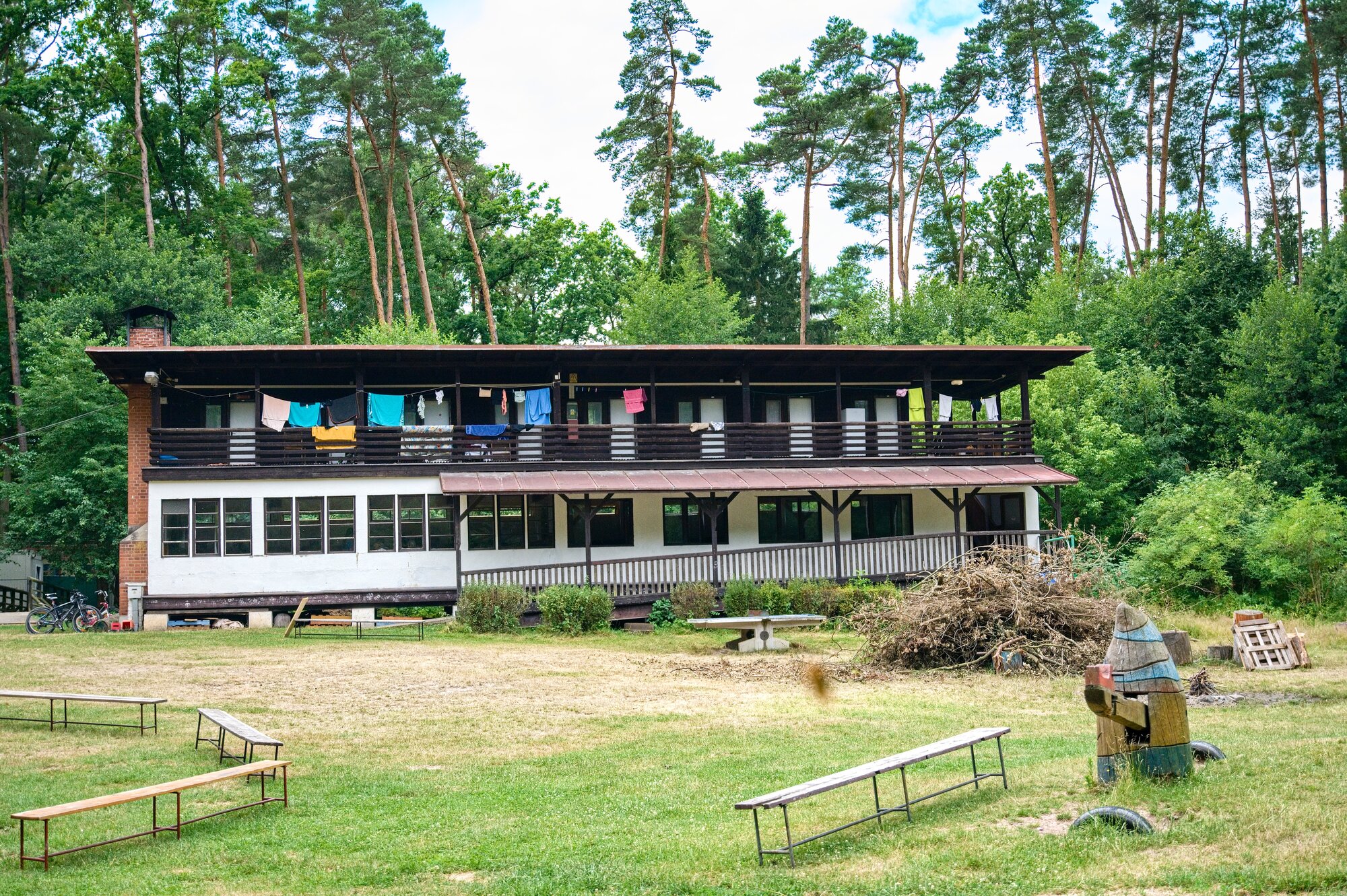
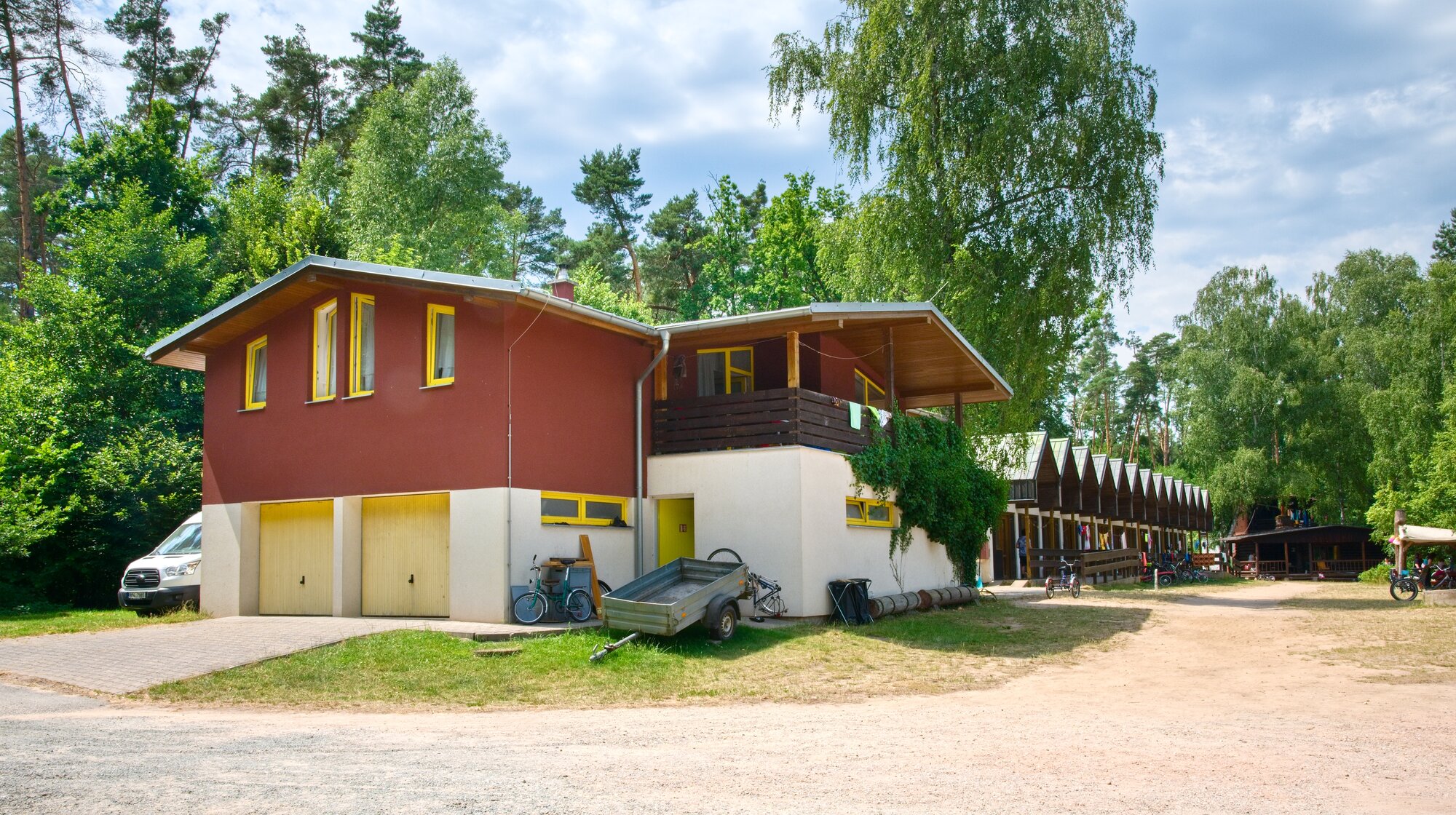
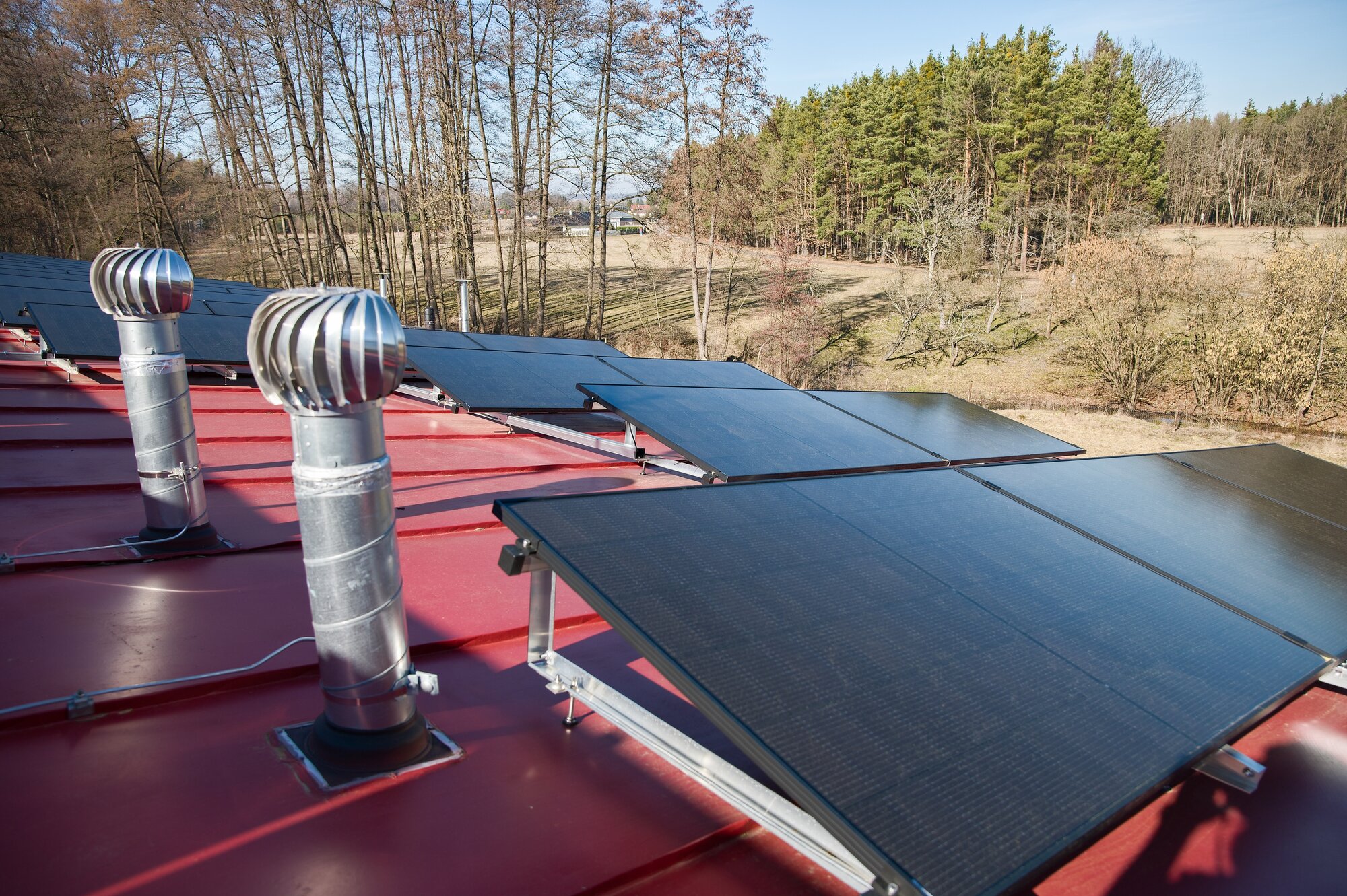
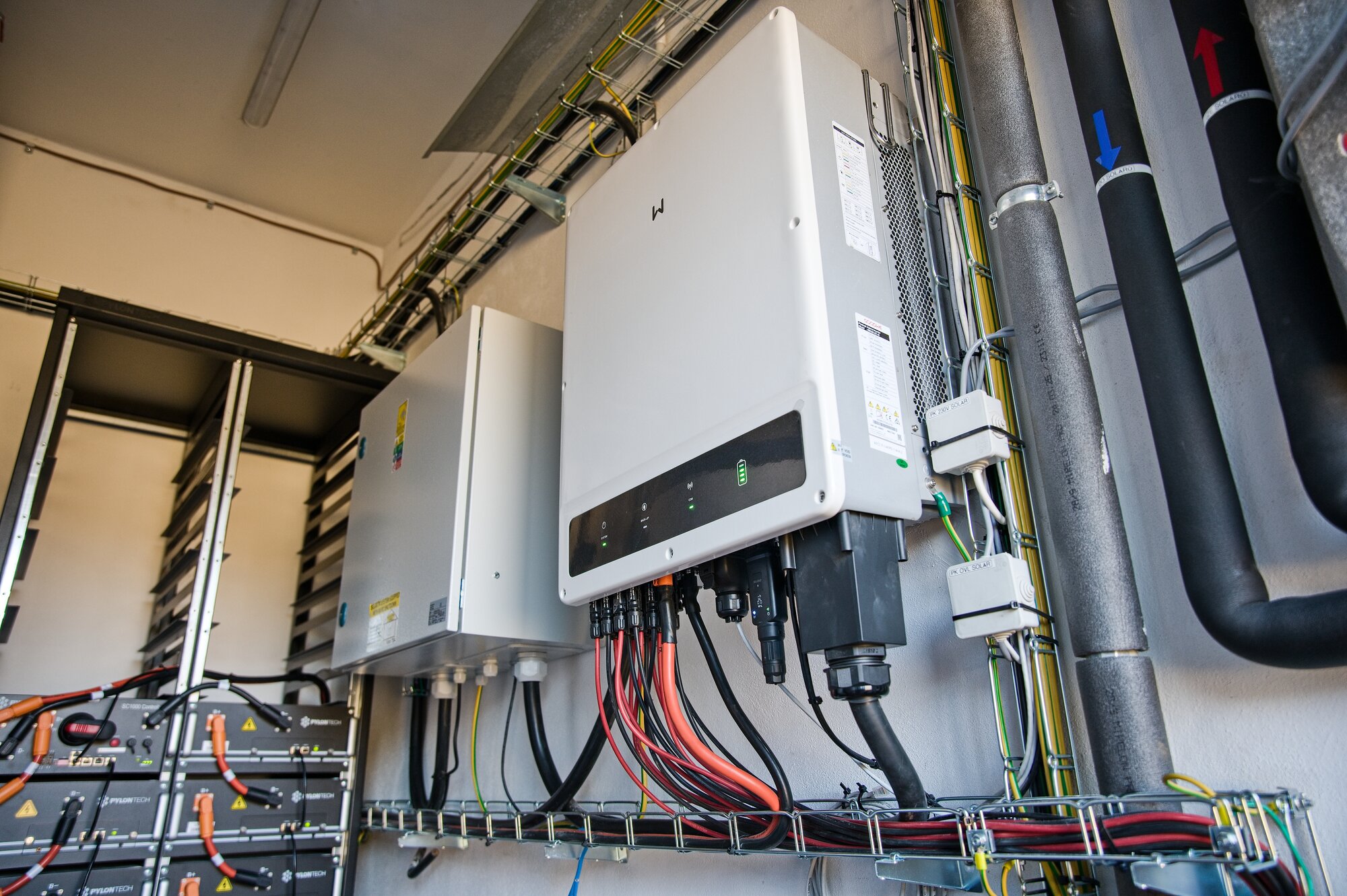
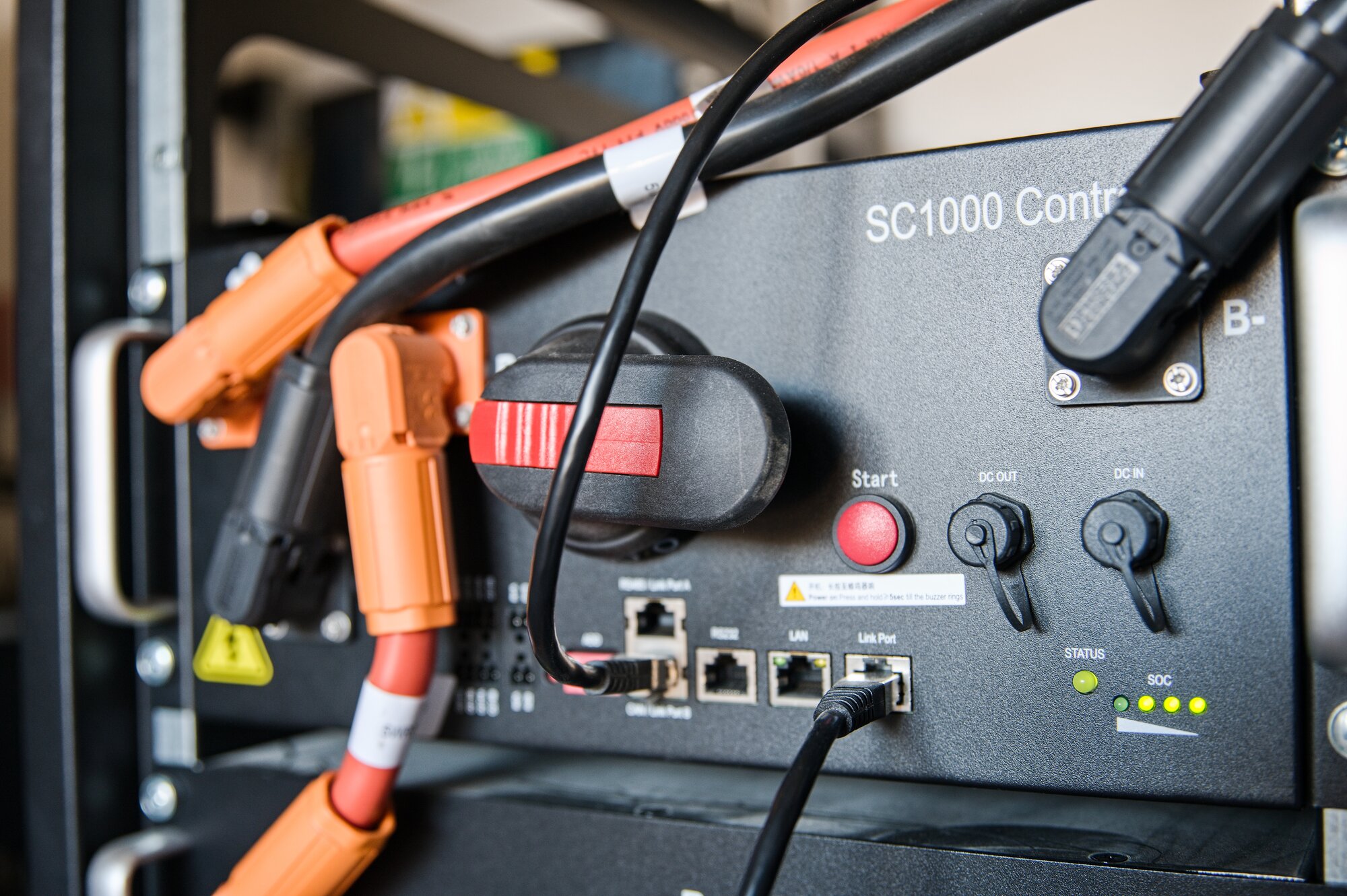
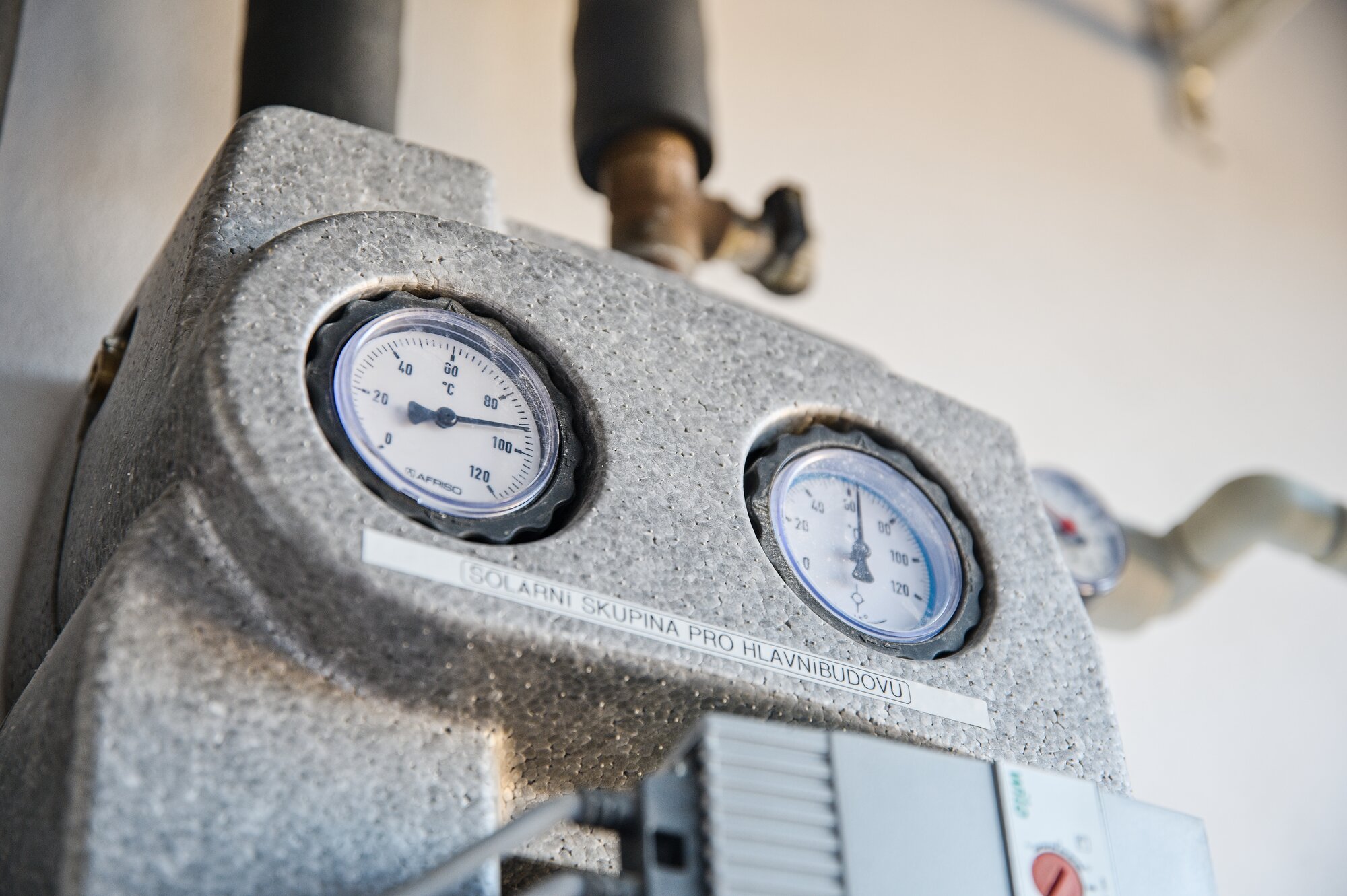
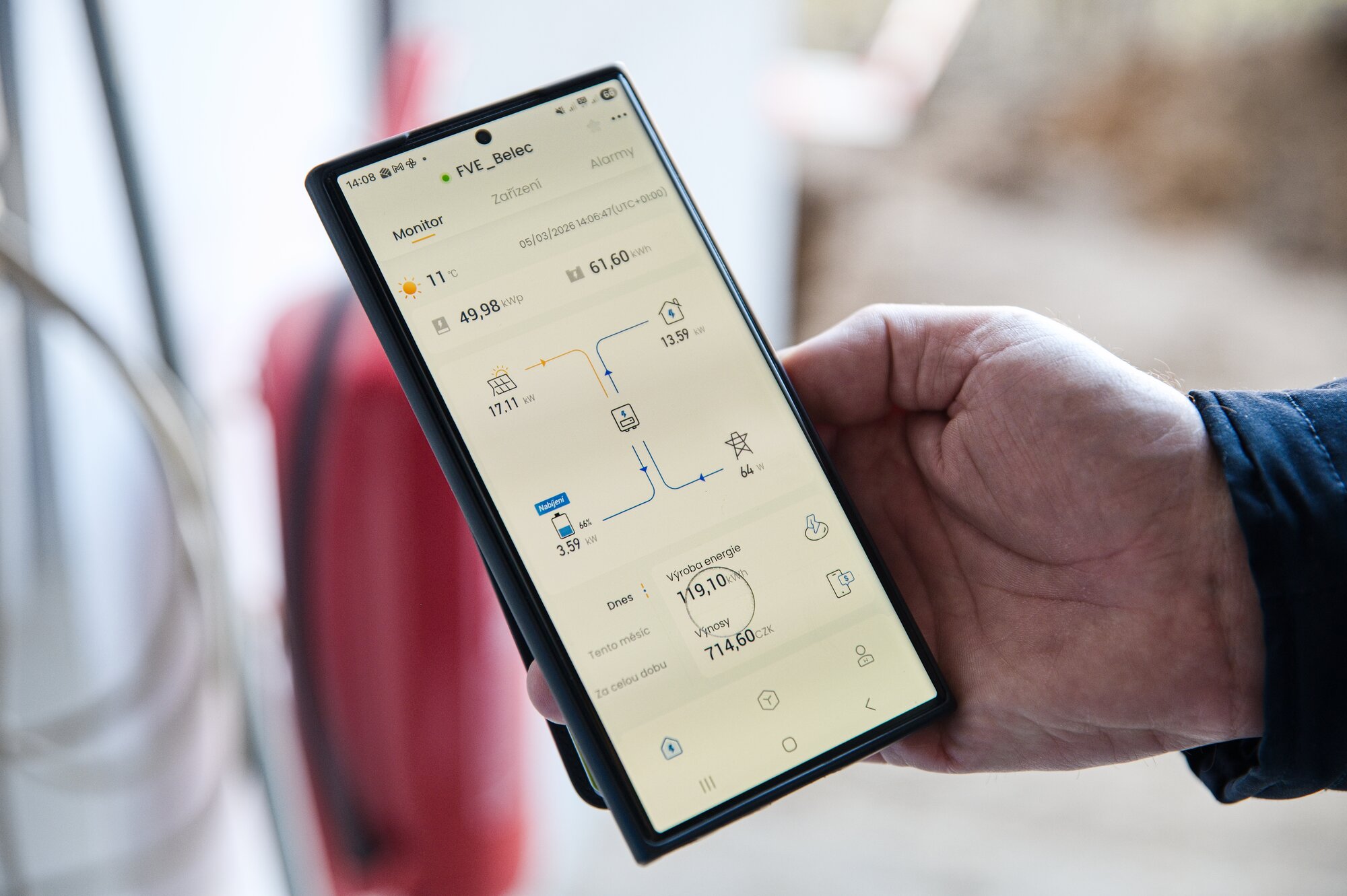
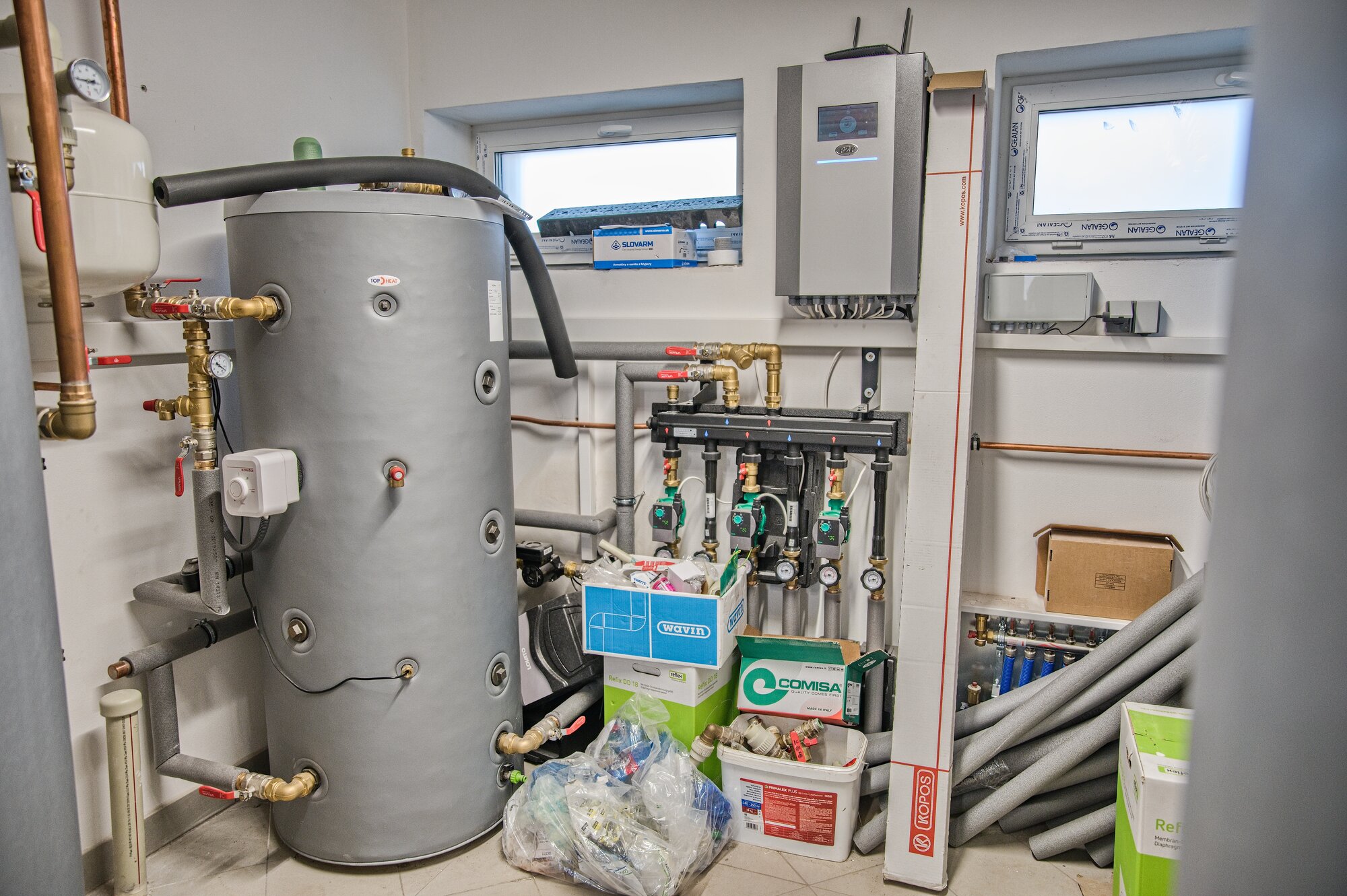
In January 2026, the transformation of the heating system of the main building was completed, where the original inefficient direct heaters were replaced with central heating from heat pumps using energy from a new photovoltaic power plant on the roof of the building for its operation. The installed capacity of 50 kWp in combination with sufficiently capacious batteries will cover a large part of the consumption. Better insulated ceilings under the roof of the building will also contribute to energy-efficient operation.
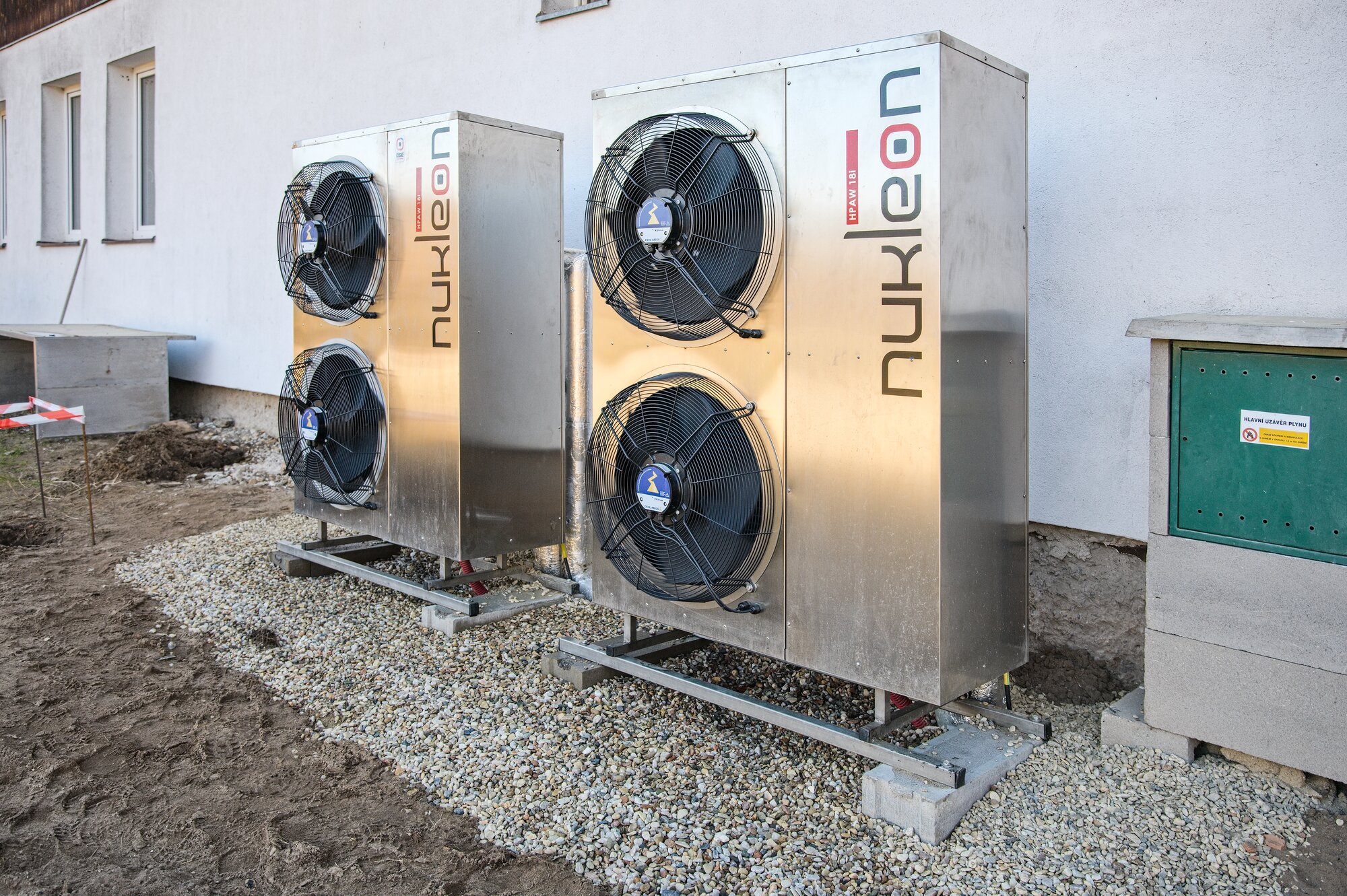
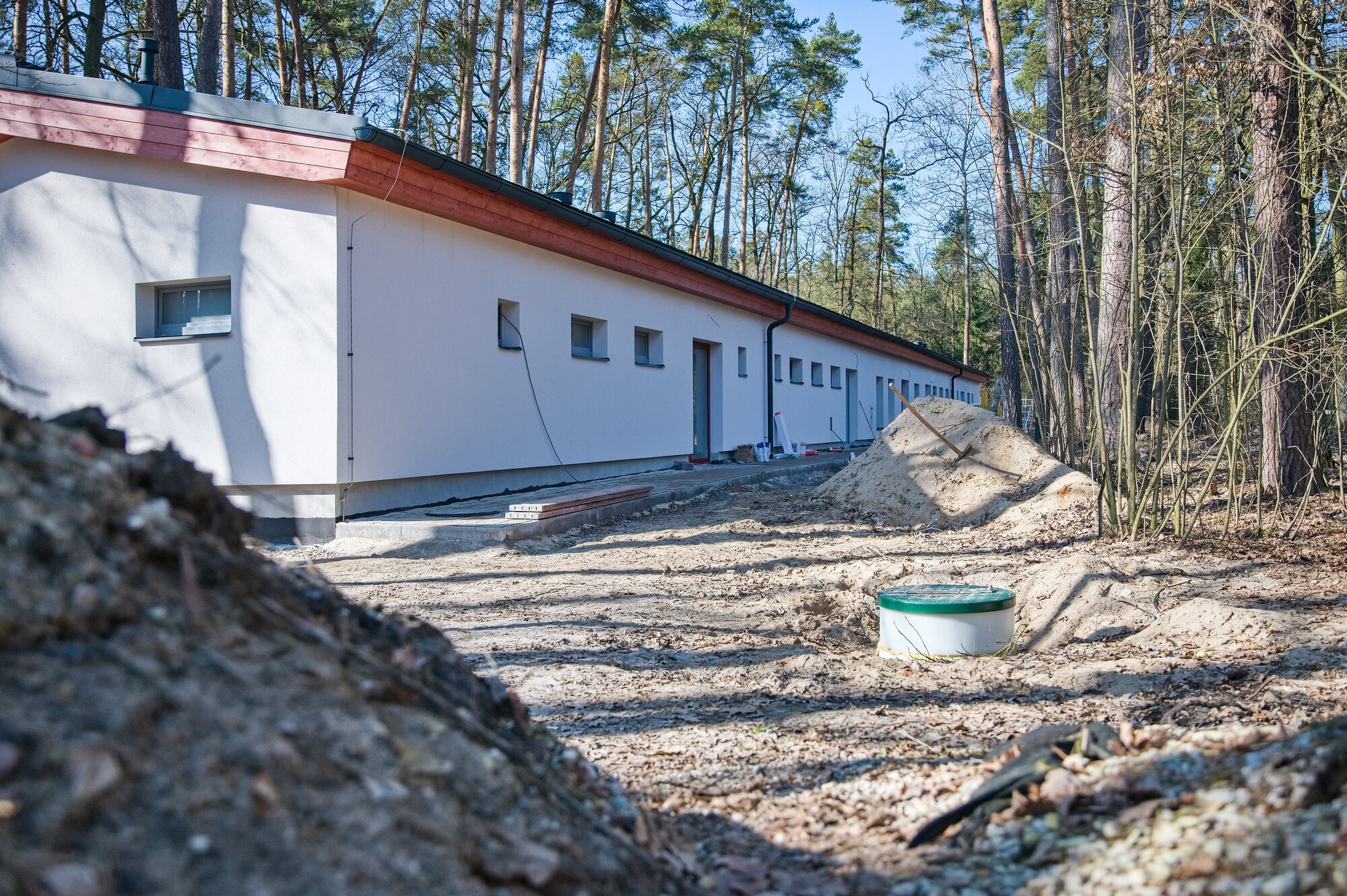
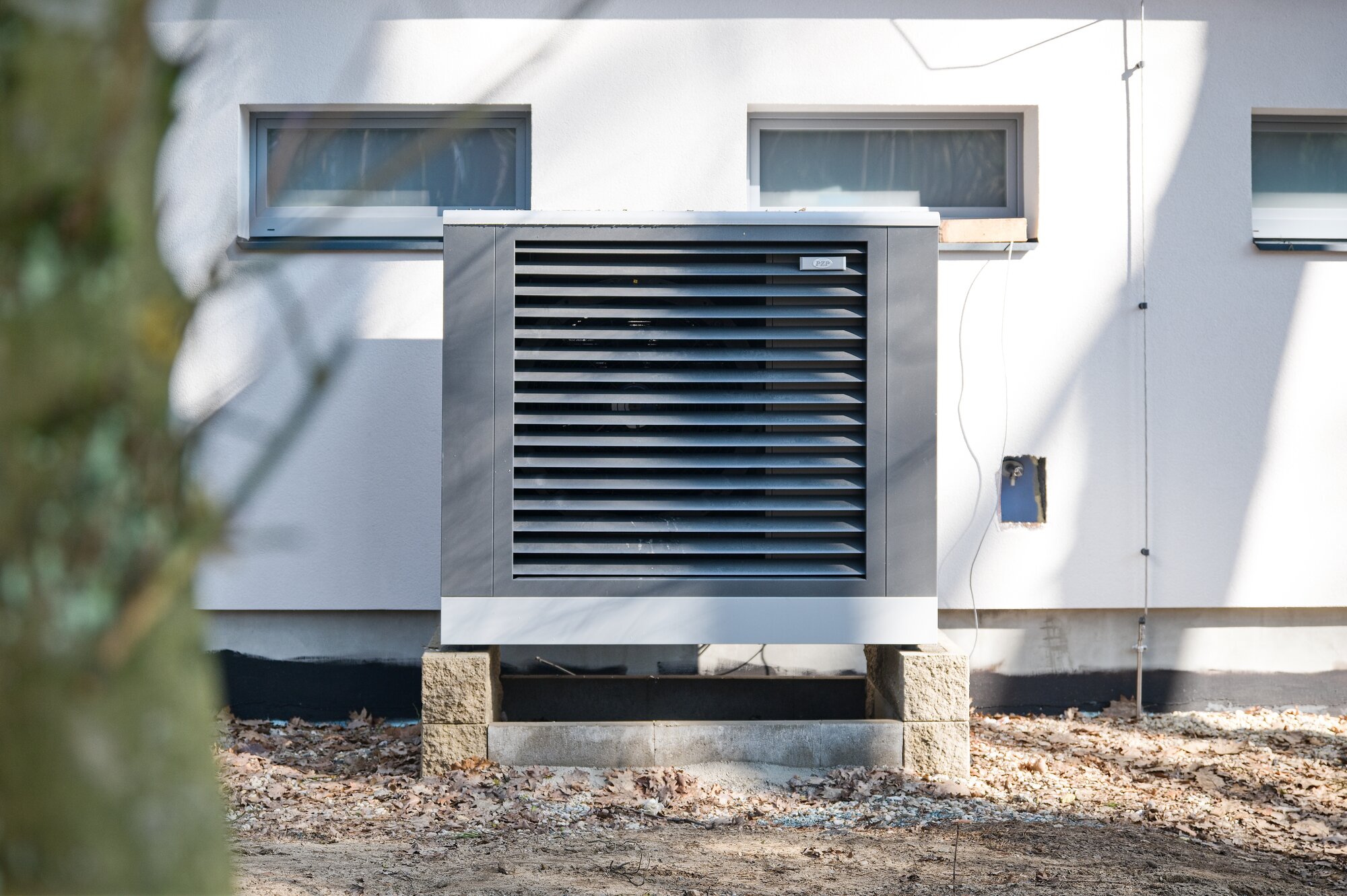
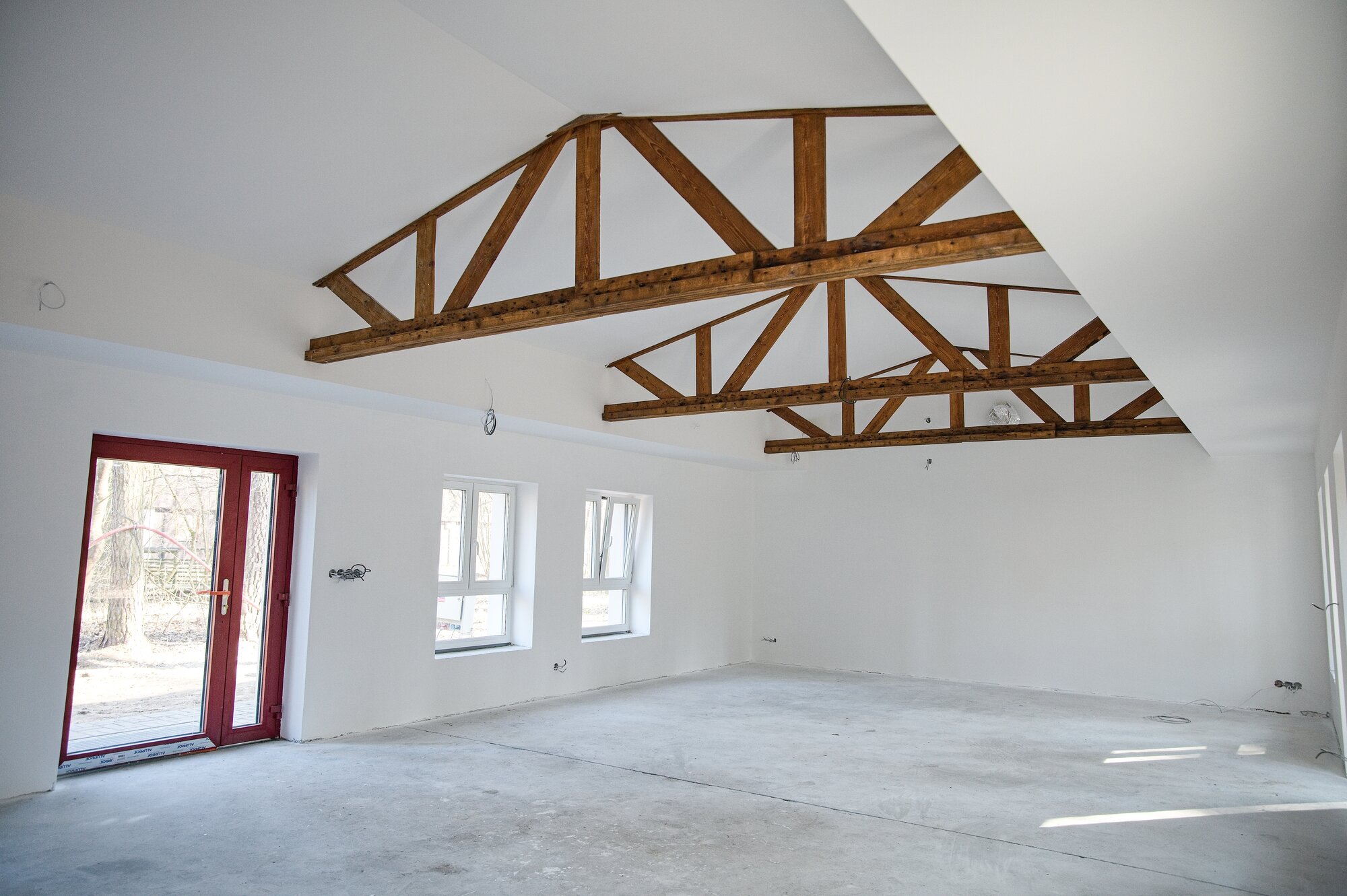
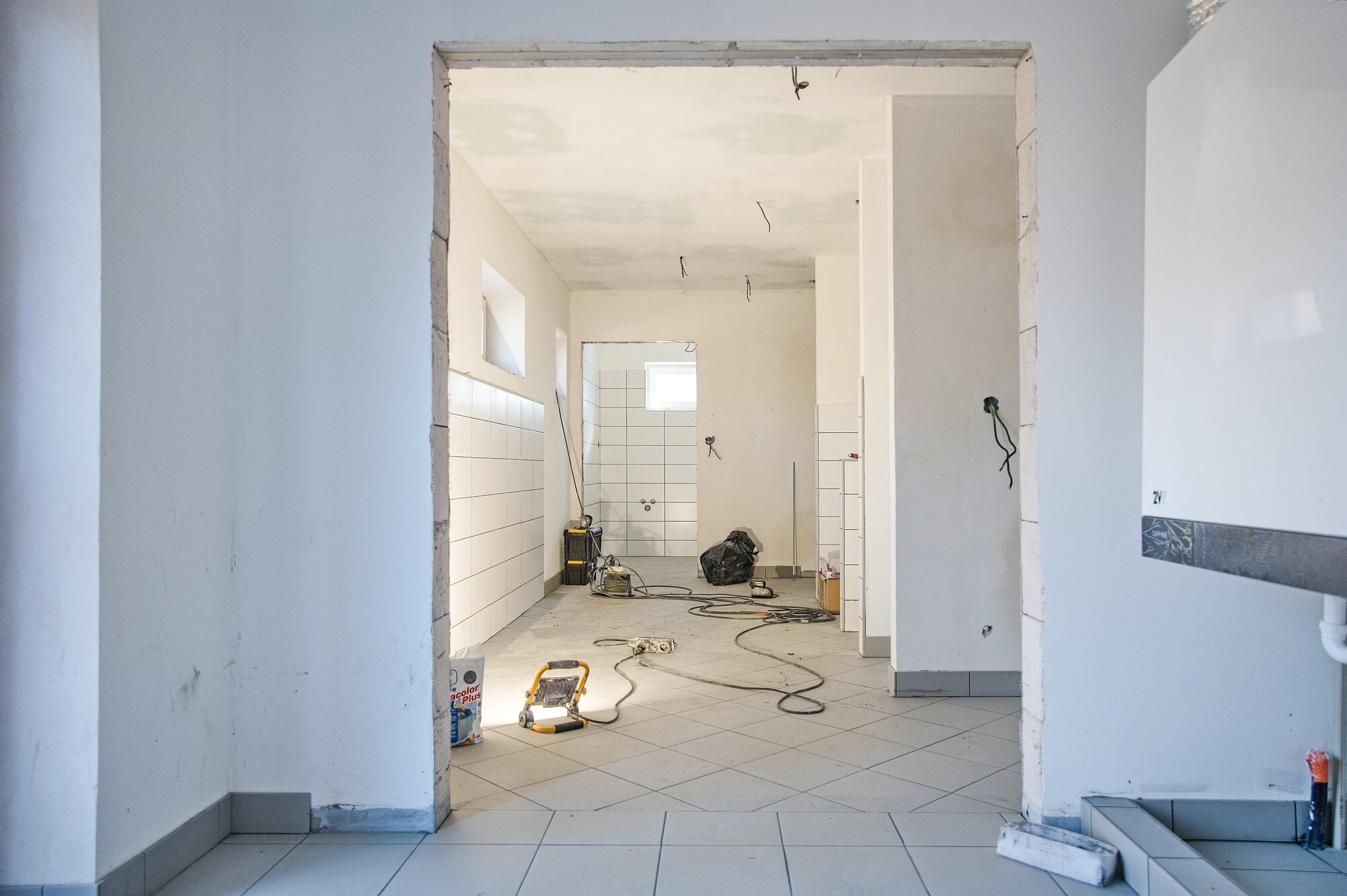
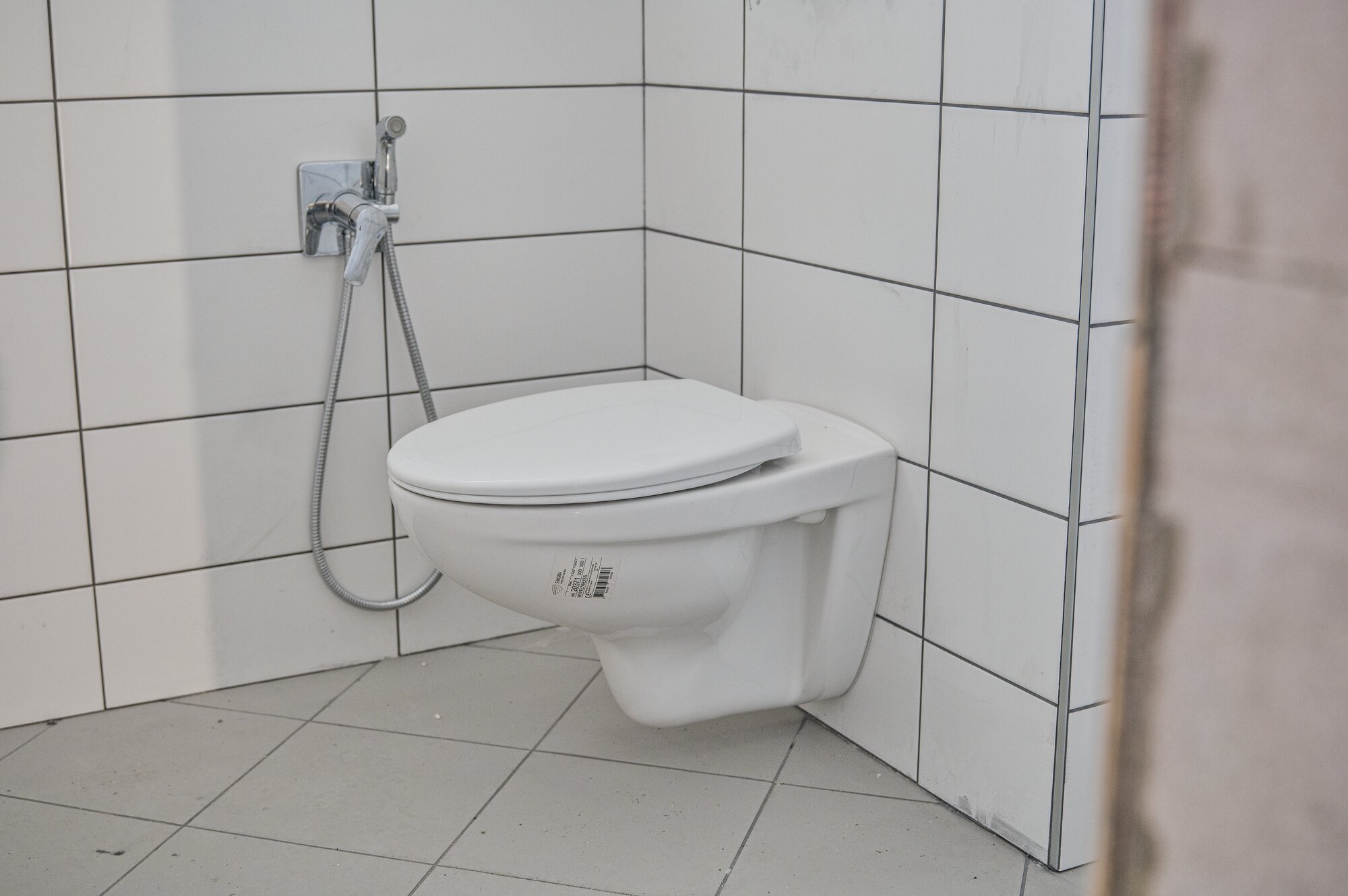
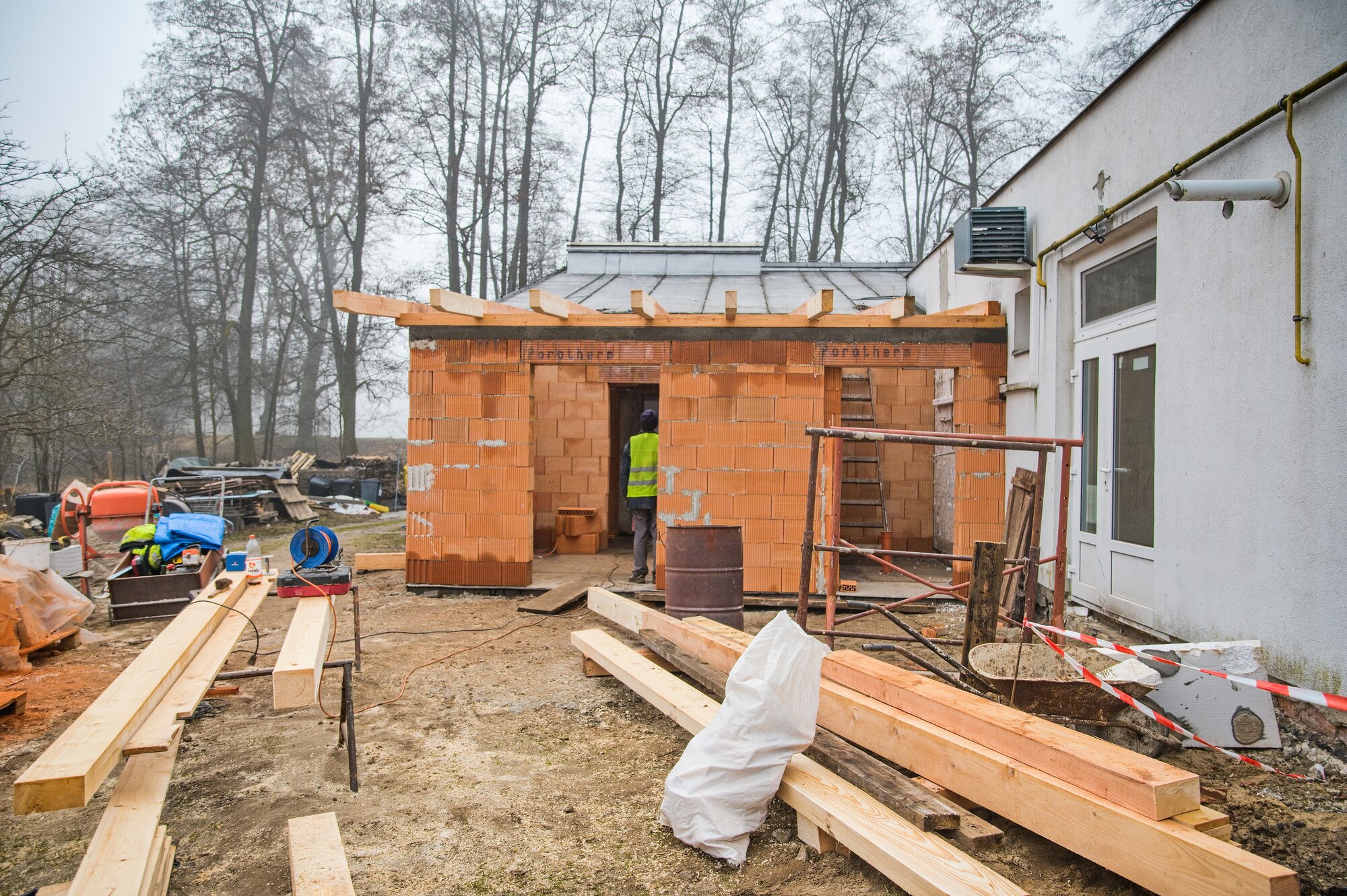
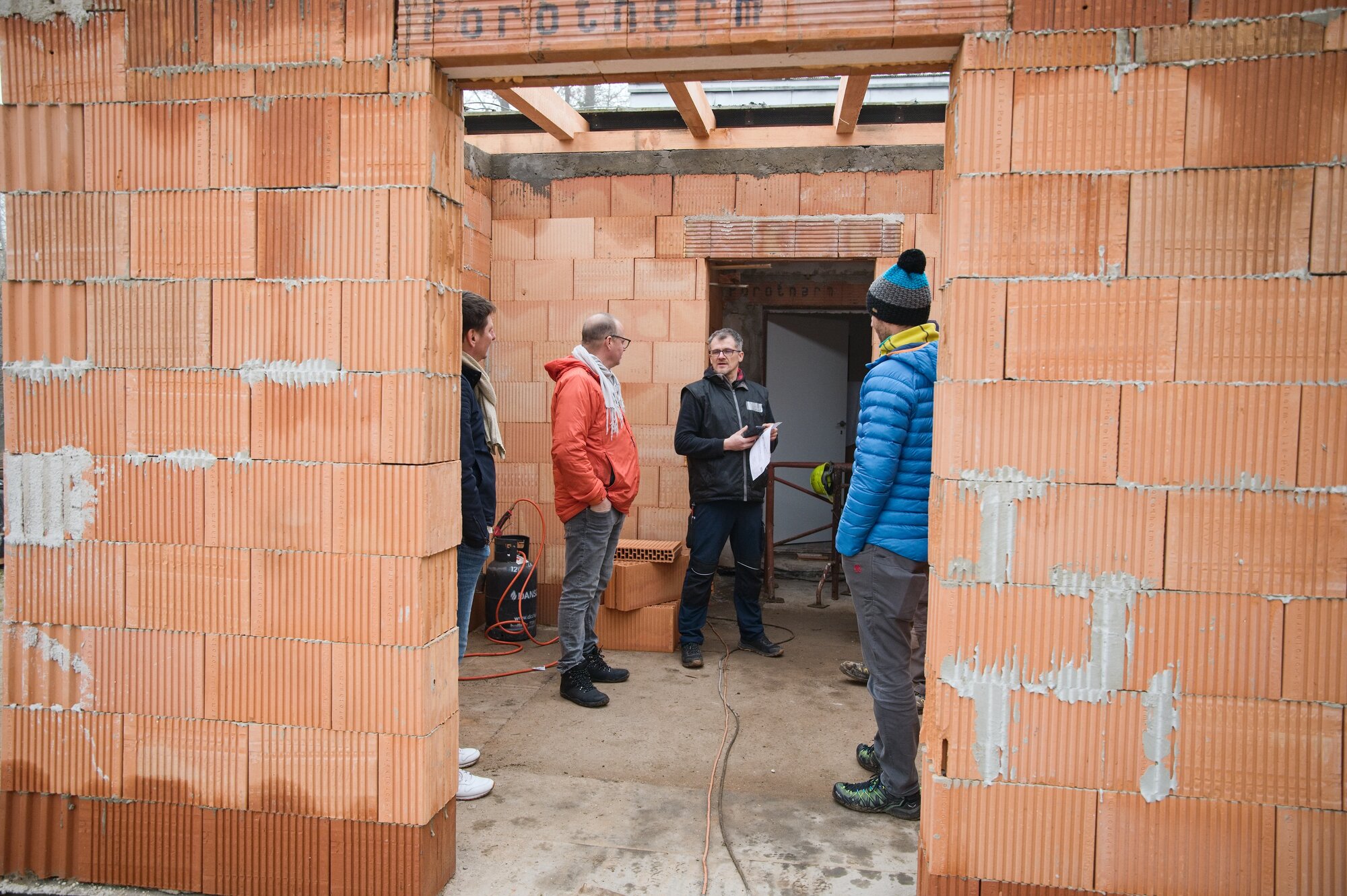
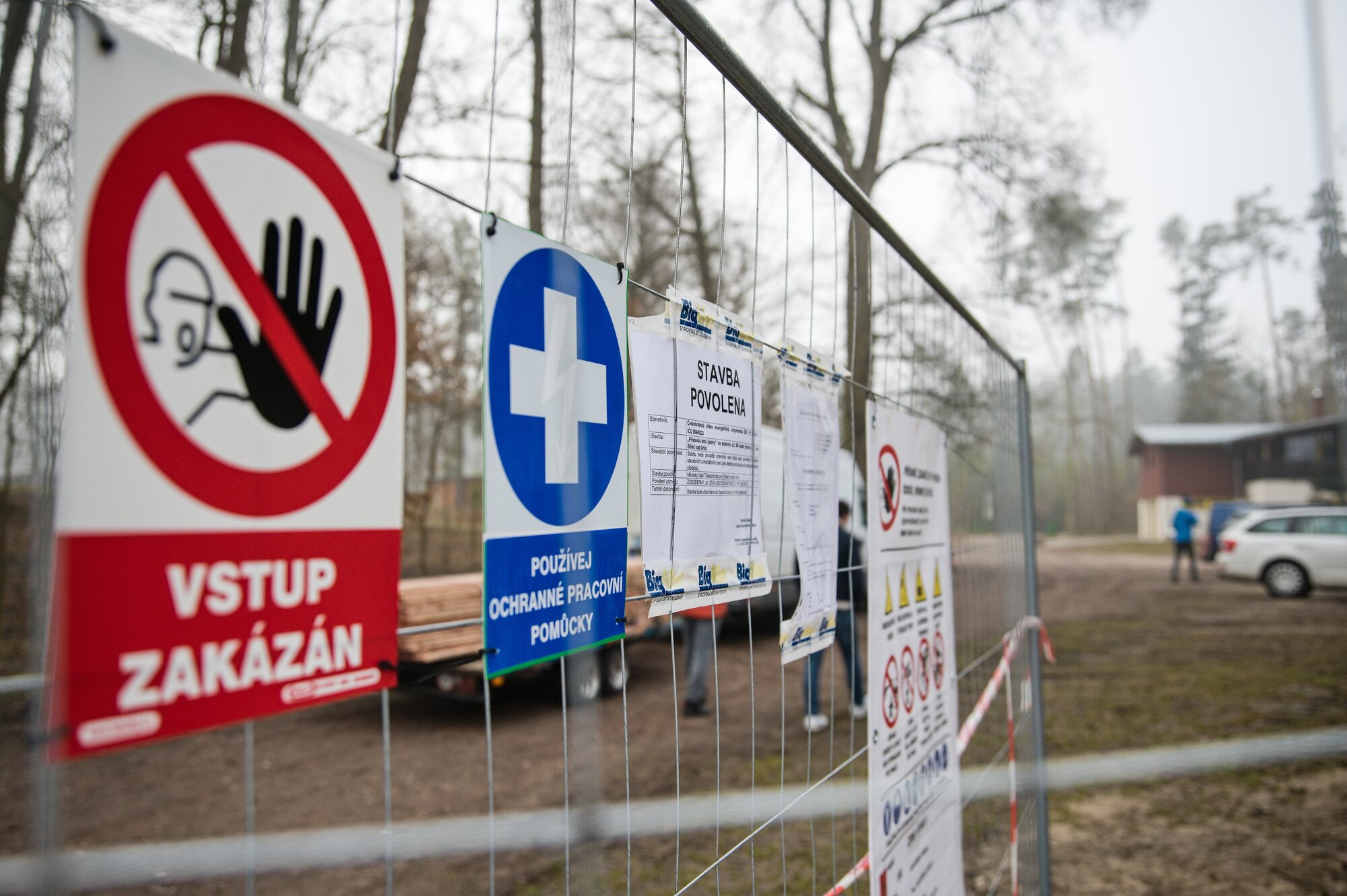
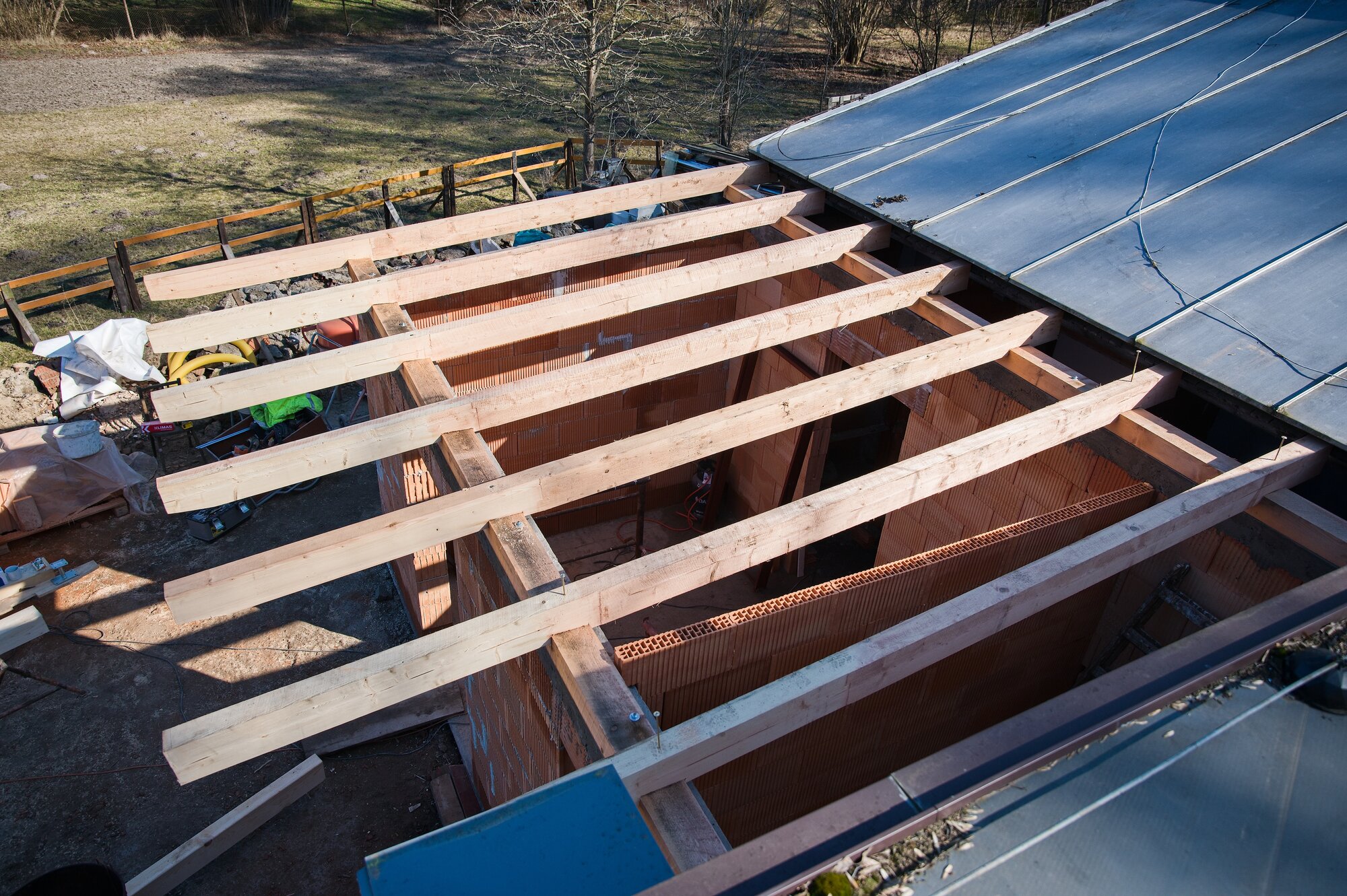
The second project, which is in the final stages of completion, is the complete reconstruction of the washrooms and toilets behind the stream. These serve the needs of the small and large camp, and literally only the outer walls remain of the original building. A new modern building has been built inside them, heated by a heat pump, insulated and equipped with ventilation with recuperation. Rainwater is used for flushing and energy-saving lights are used. Thanks to the reconstruction of this facility, the summer season in the small and large camp should be extended by about 2 months. By removing the unnecessary warehouse, a brand new clubhouse for joint programs and meetings is also being created in the building.
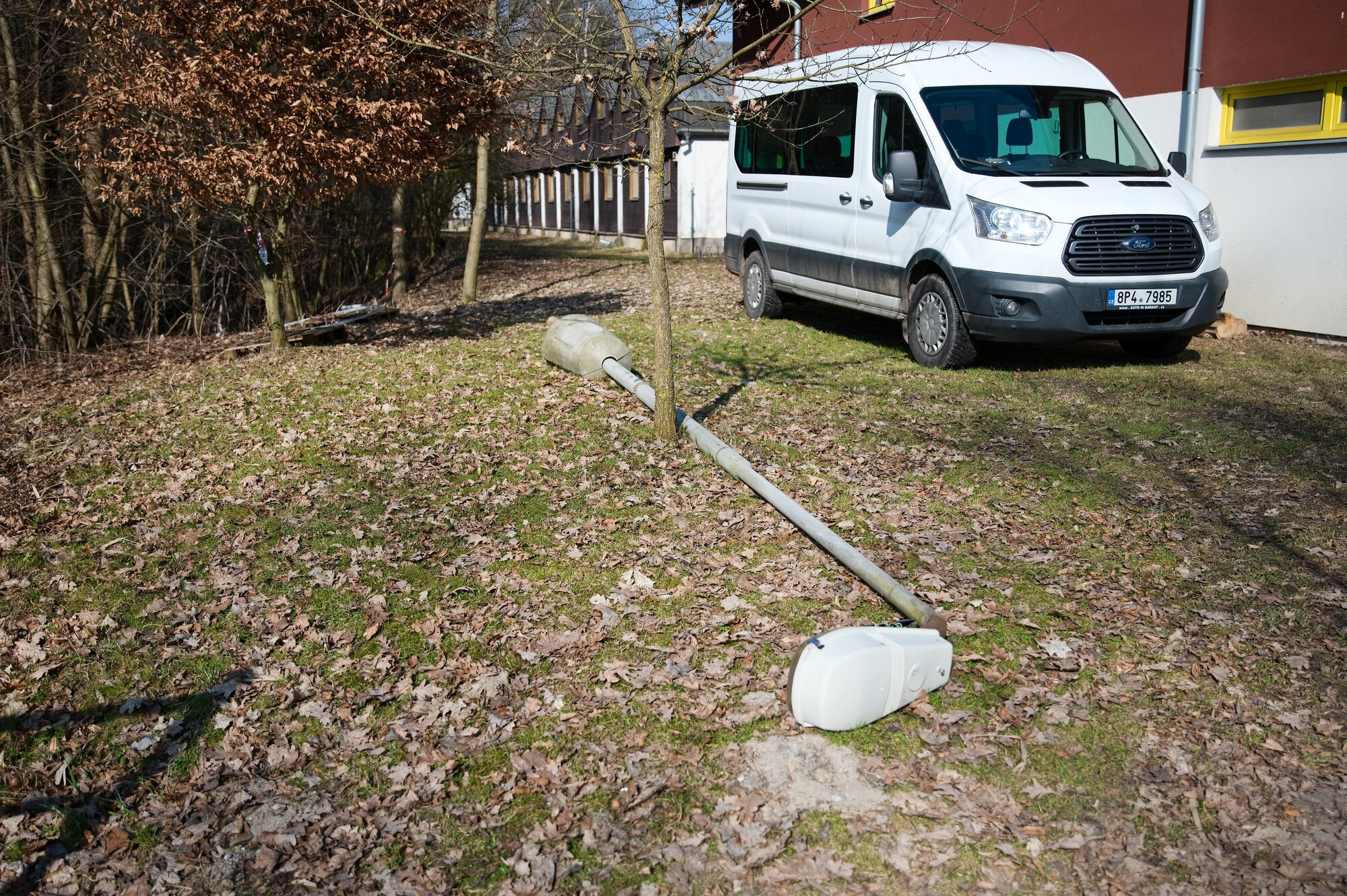
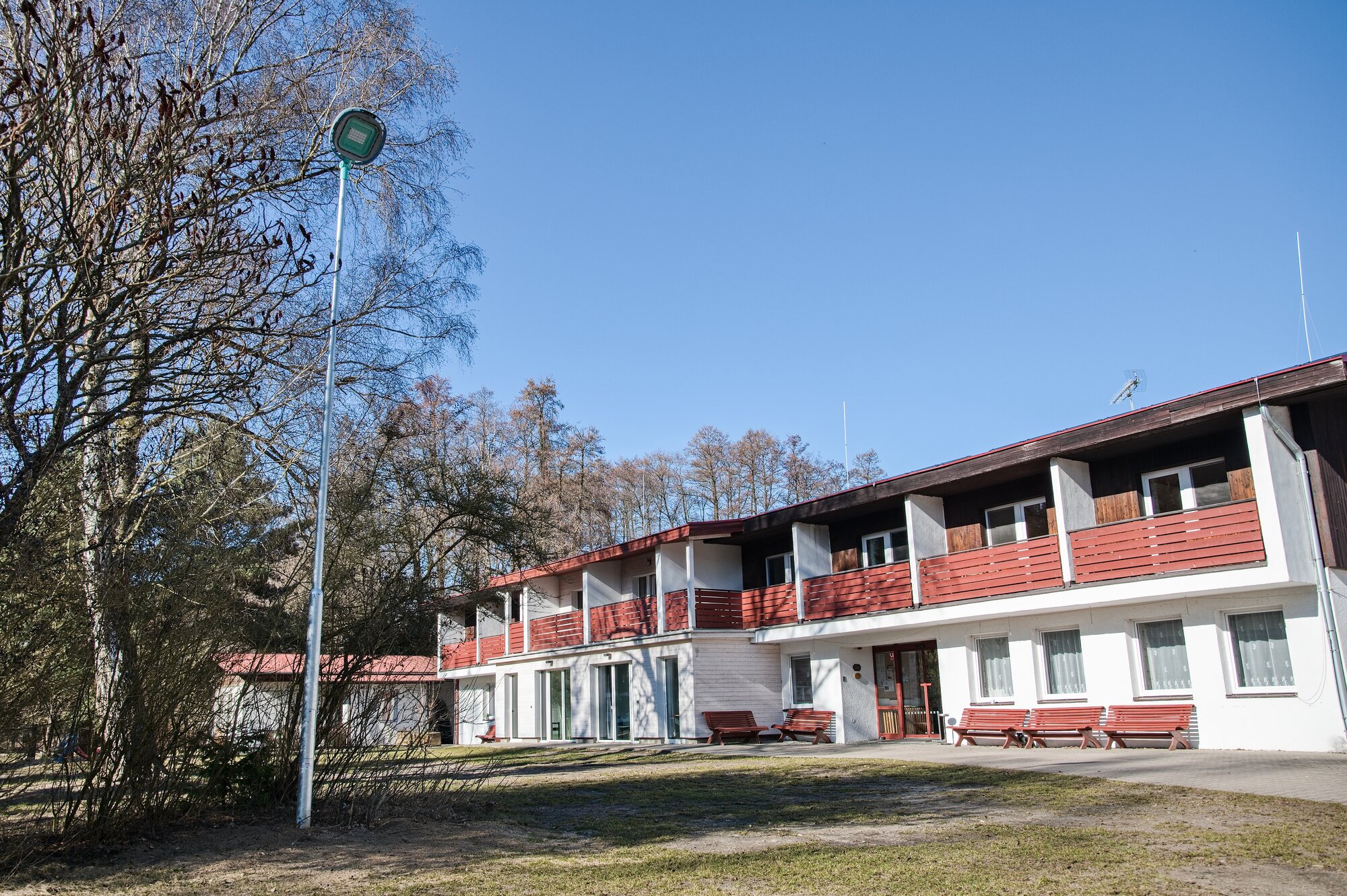
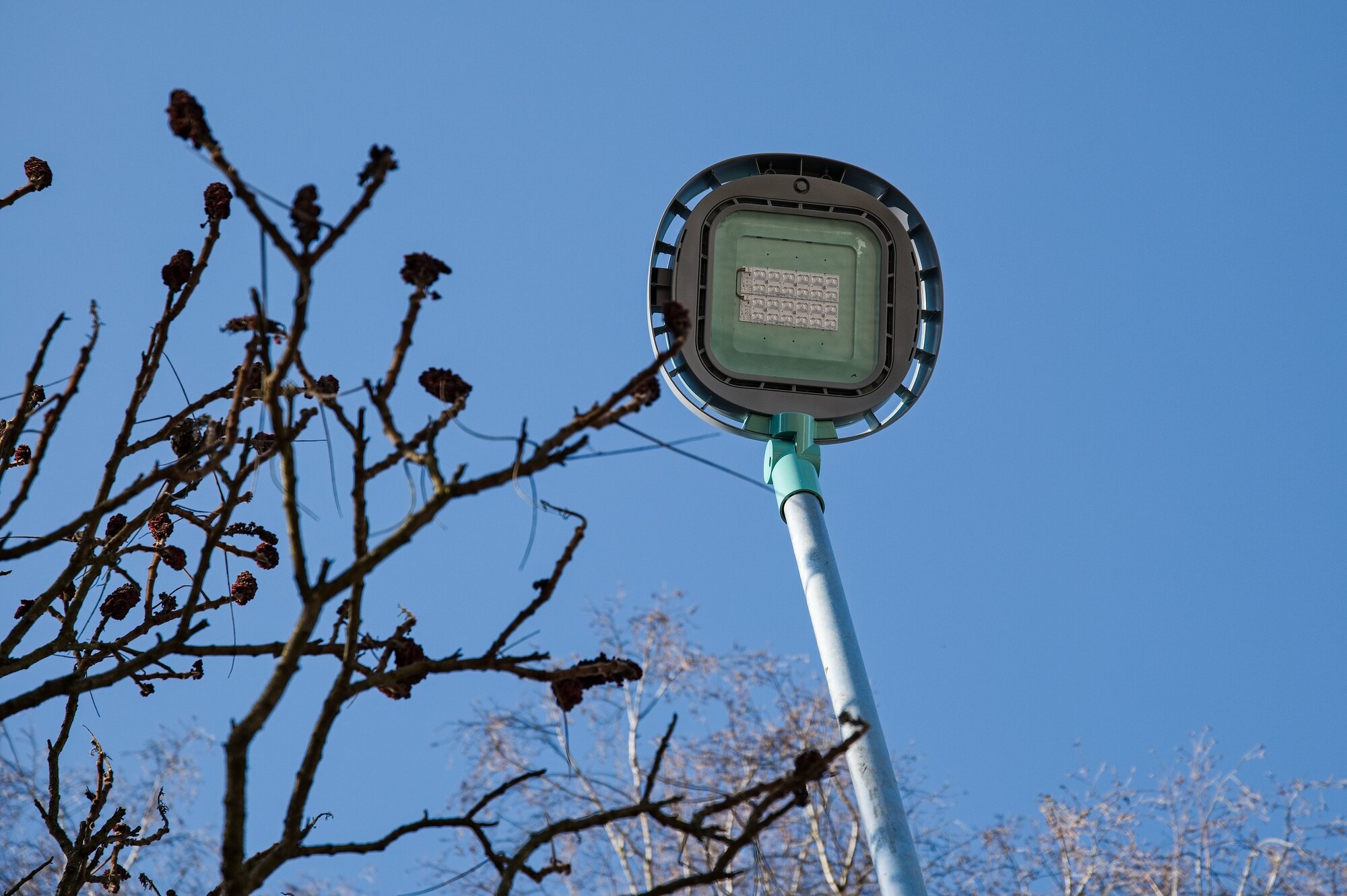
The third, already completed project also brings considerable savings: the replacement of the camp's outdoor lighting. The old and very demanding street lighting lamps were replaced with new poles equipped with LED technology that is respectful of their surroundings, nature and human health. They are self-extinguishing and save a lot of energy.
The addition of toilets and storage facilities behind the summer dining room is scheduled to be completed in the fall of 2026. This addition will finally solve the long-standing problem of the non-existent sanitary facilities near the dining room, which serves large numbers of diners from both camps.
All four projects cost a total of almost 30 million crowns and a significant part was funded by grants or donations. Special thanks go to the head of the operations department of the church headquarters, Vladimír Podroužek, and the head of the project department, Petr Mokrejš, for their preparation and management of the project. And also to the camp administrator, Václav Španihel, for his patience, willingness and flexibility in managing the center during all the construction work.
We look forward to the fact that the J. A. Comenius Camp in Běleč will continue to bring joy to everyone who visits it.
ℹ️ TIP: Listen to the interview with the camp administrator Václav Španihel on Proglas radio HERE.
Photo gallery from the reconstruction (March 2026):
...you can also view the entire gallery HERE.