The churches discussed at a round table. About projects and the future
Every year in March, representatives of the Evangelical Church (ECCB) meet with envoys of those foreign churches that have long supported its development projects.
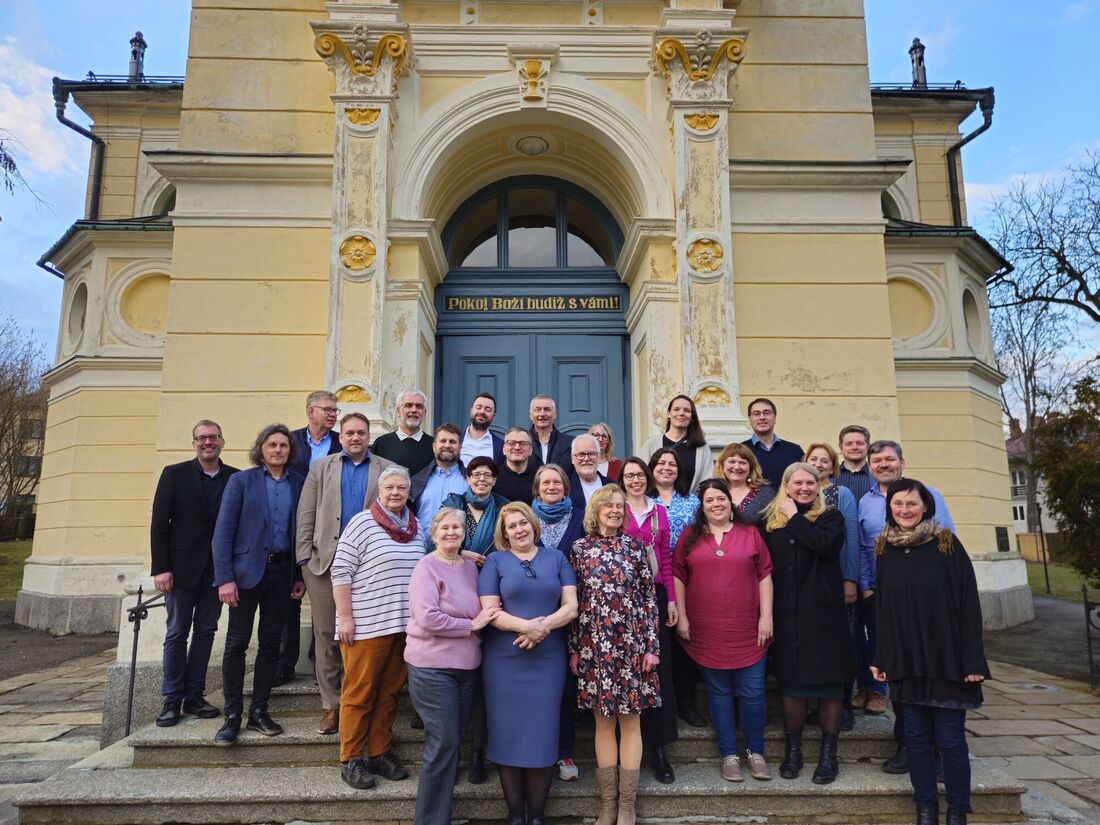
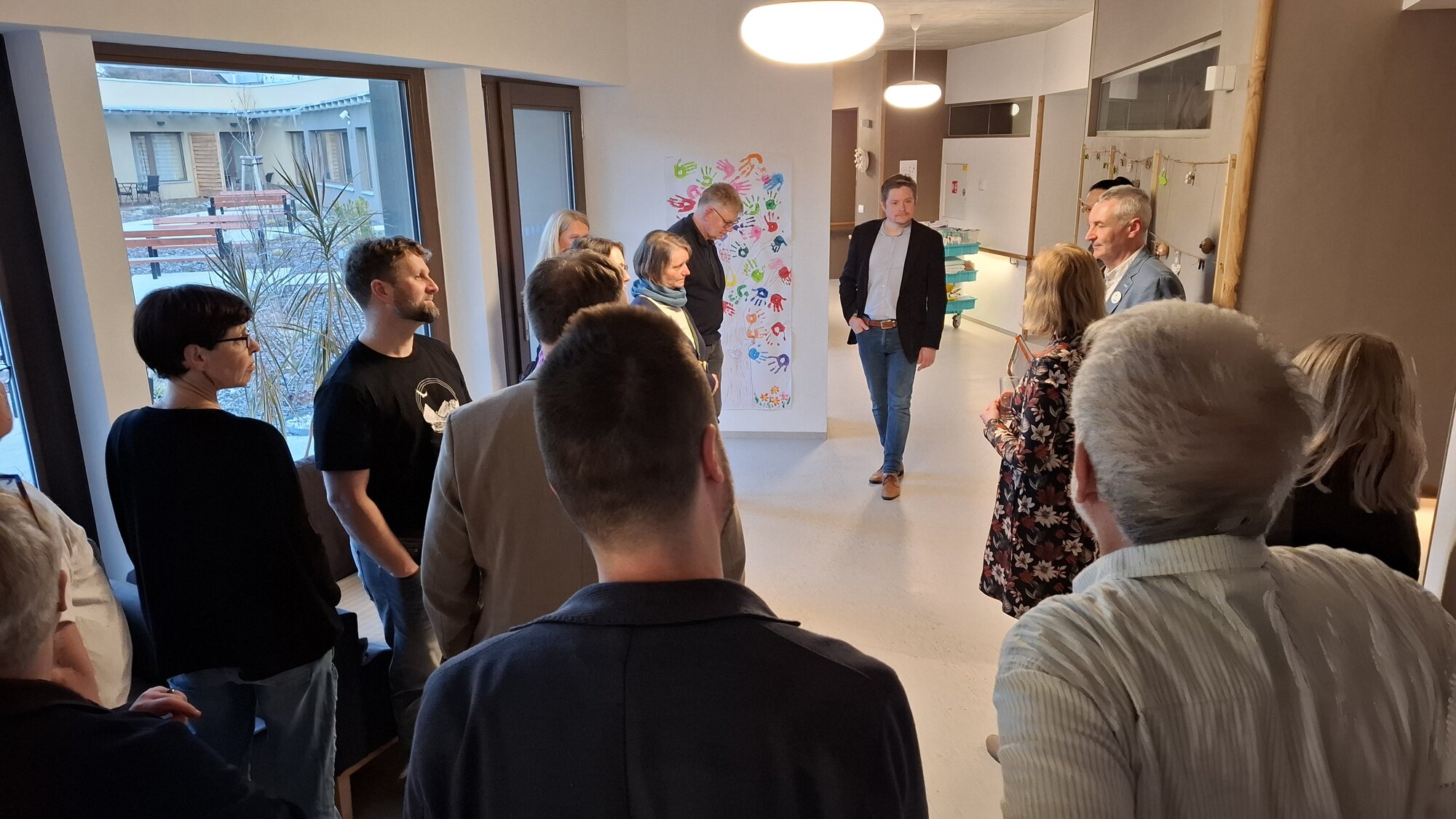
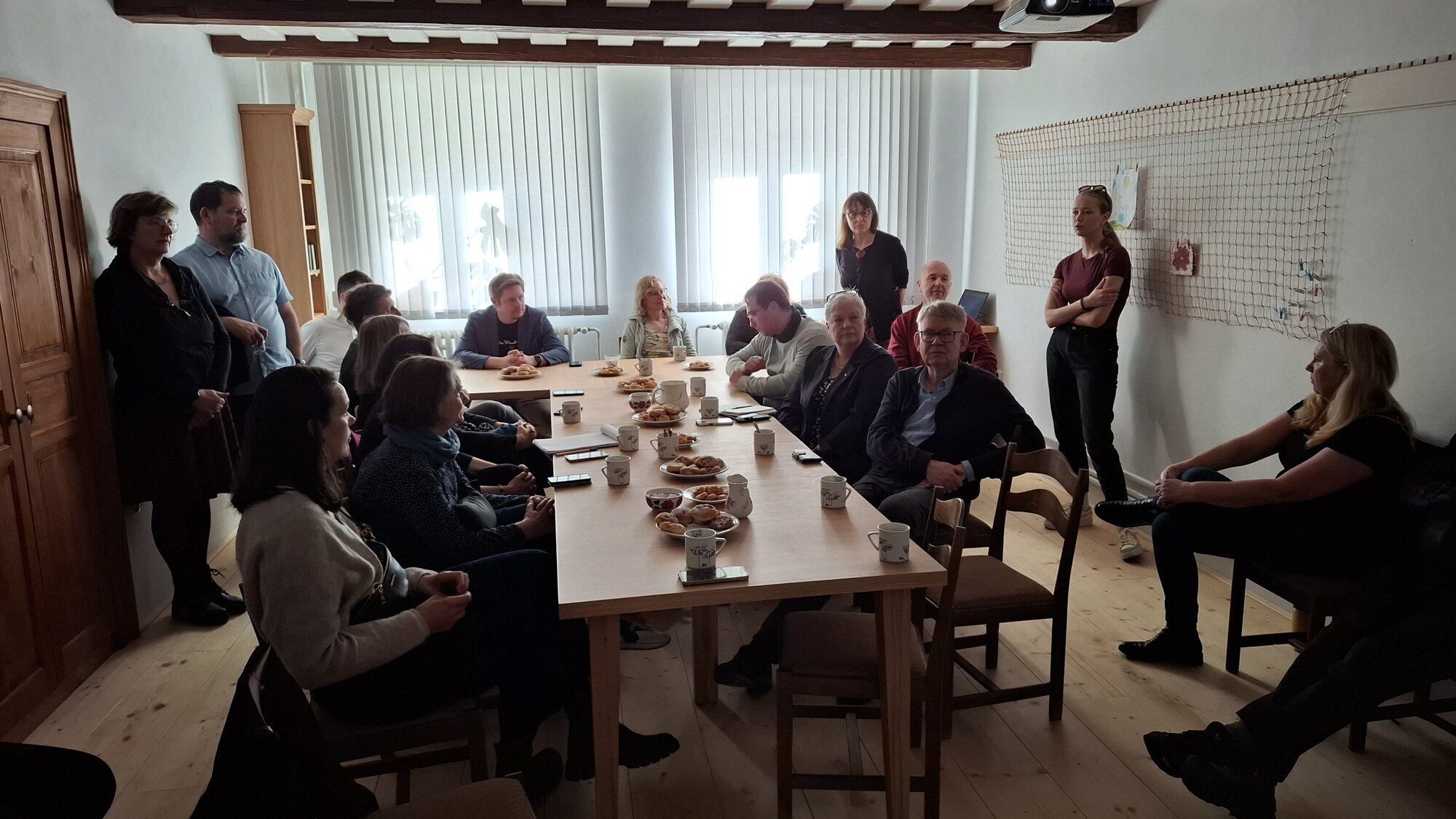
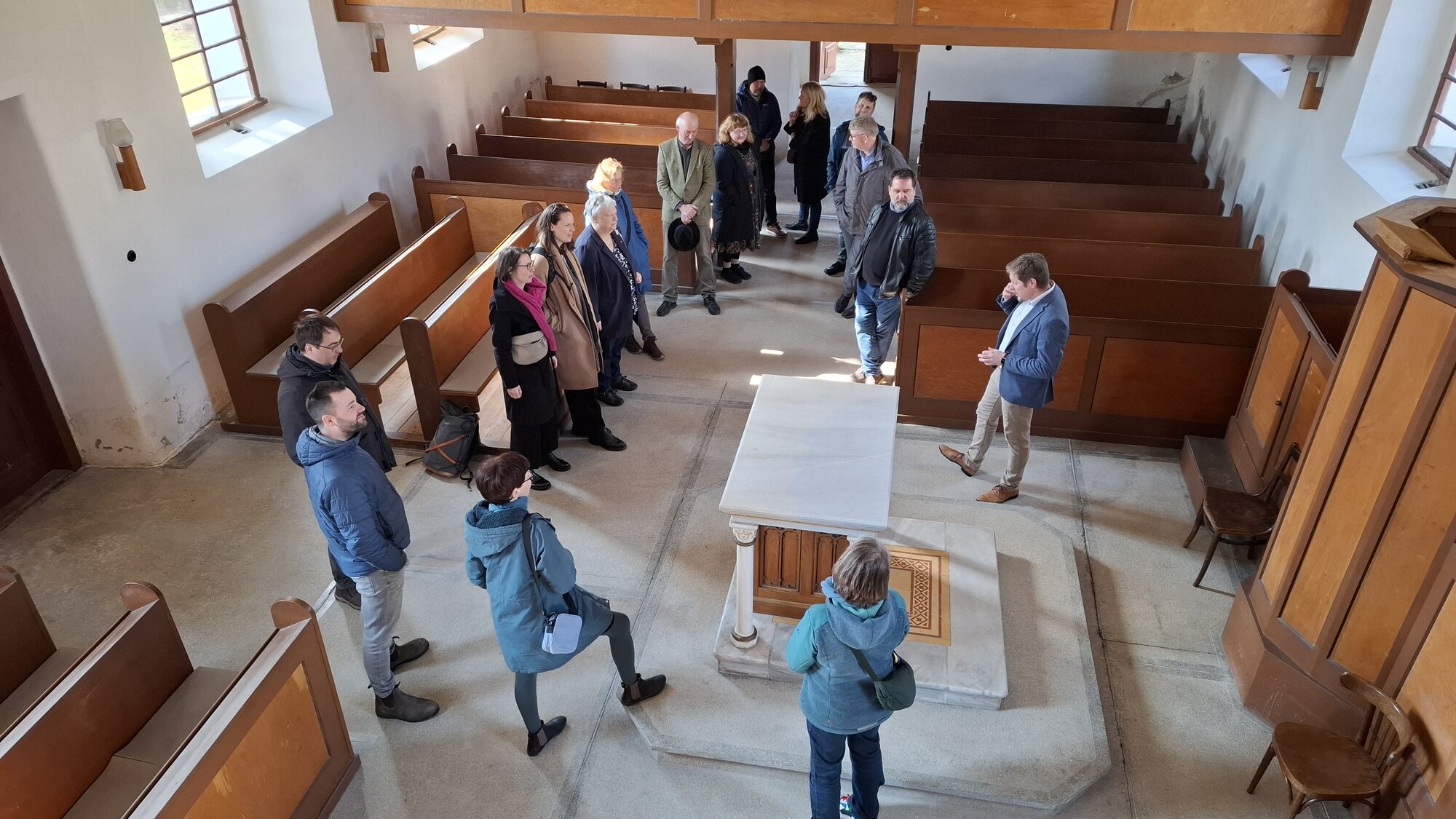
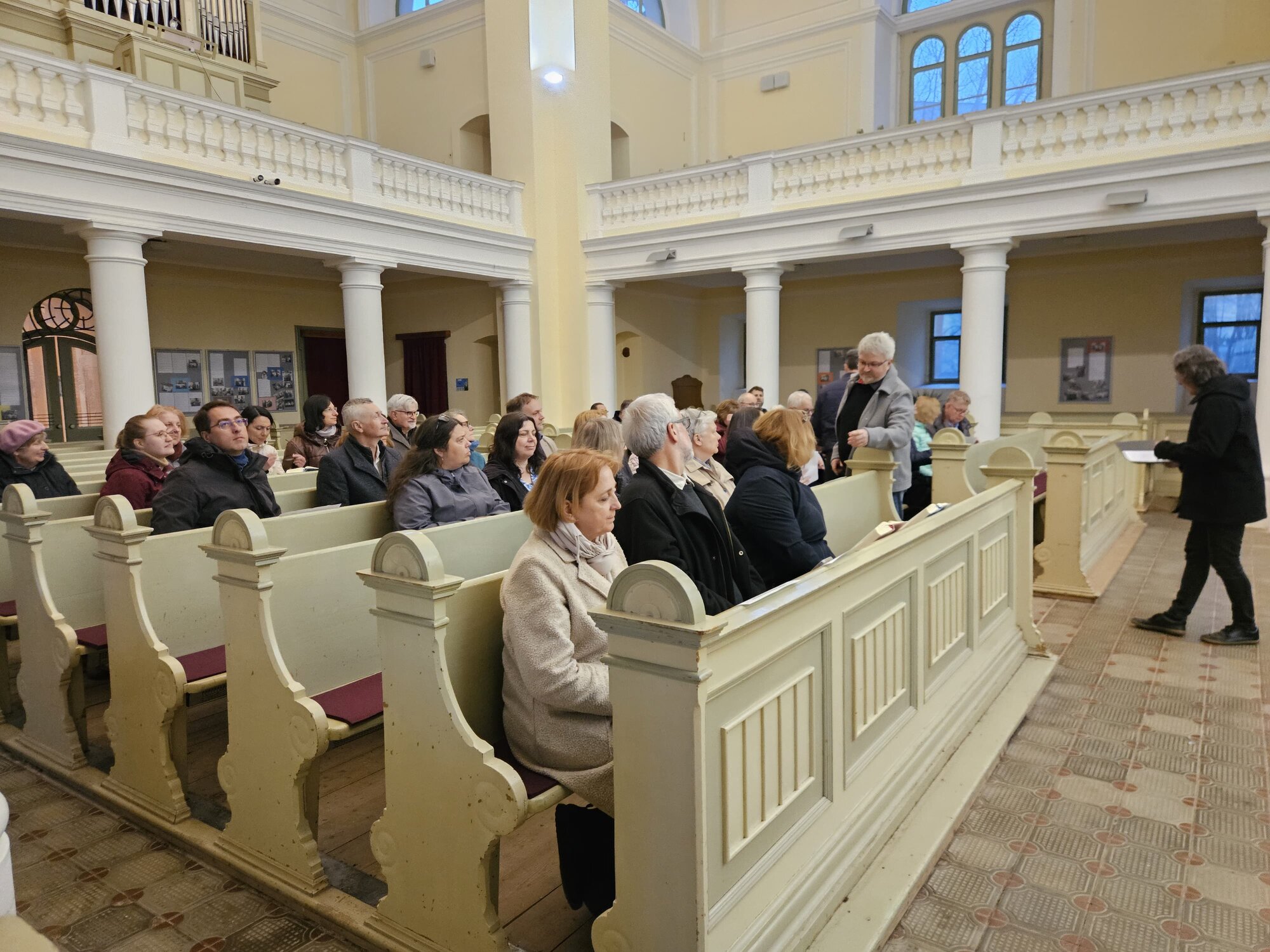
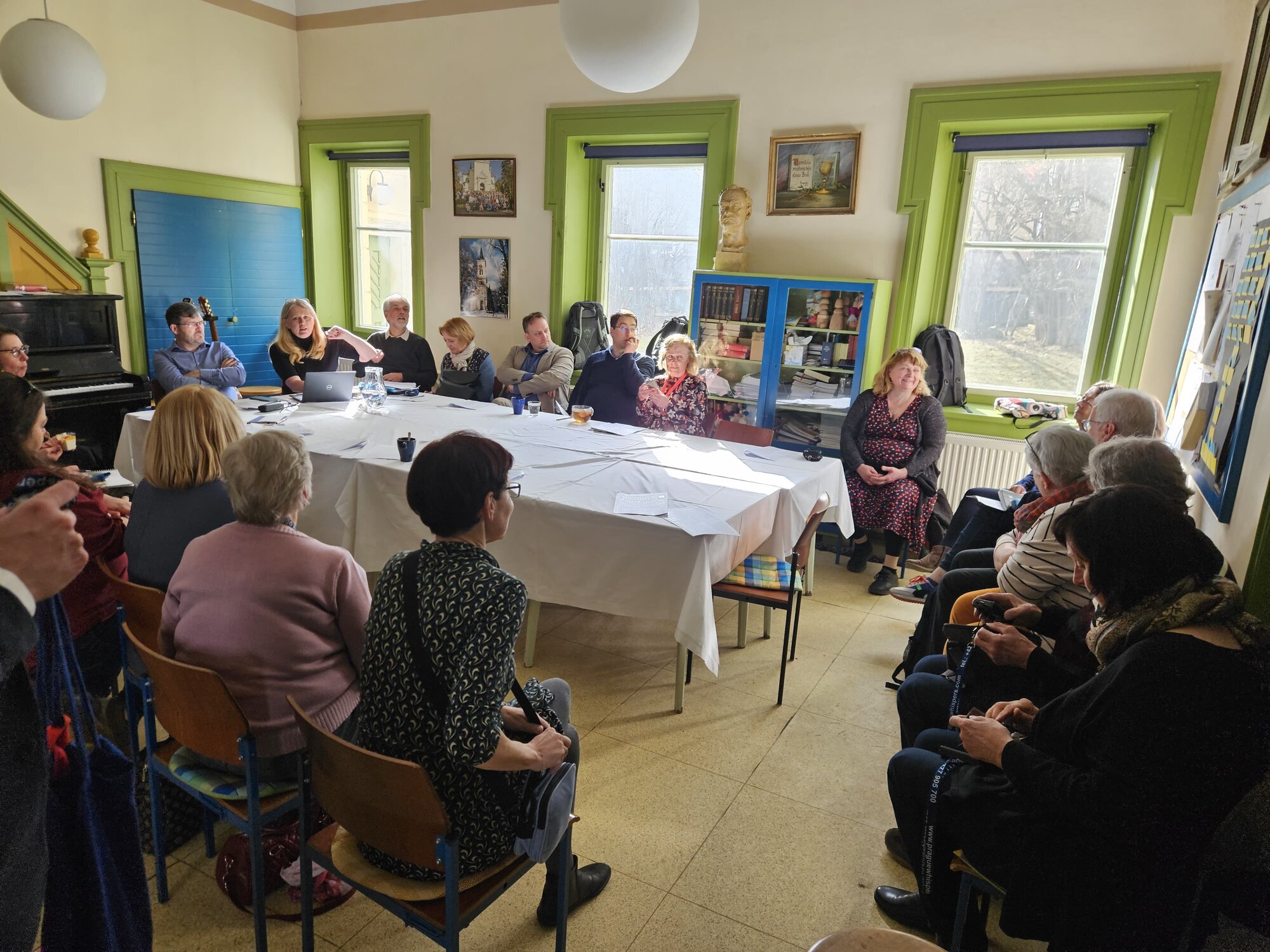
This year they met from March 11 to 13 in Nové Město na Moravě and together they addressed not only projects, but also the digitalization and reform of church administration or their transformation into a secular society. The program also included a tour of the Diakonie Pomněnka center and the Evangelical congregation in Nové Město na Moravě, as well as visits to parish congregations in Jimramov and Telecí.
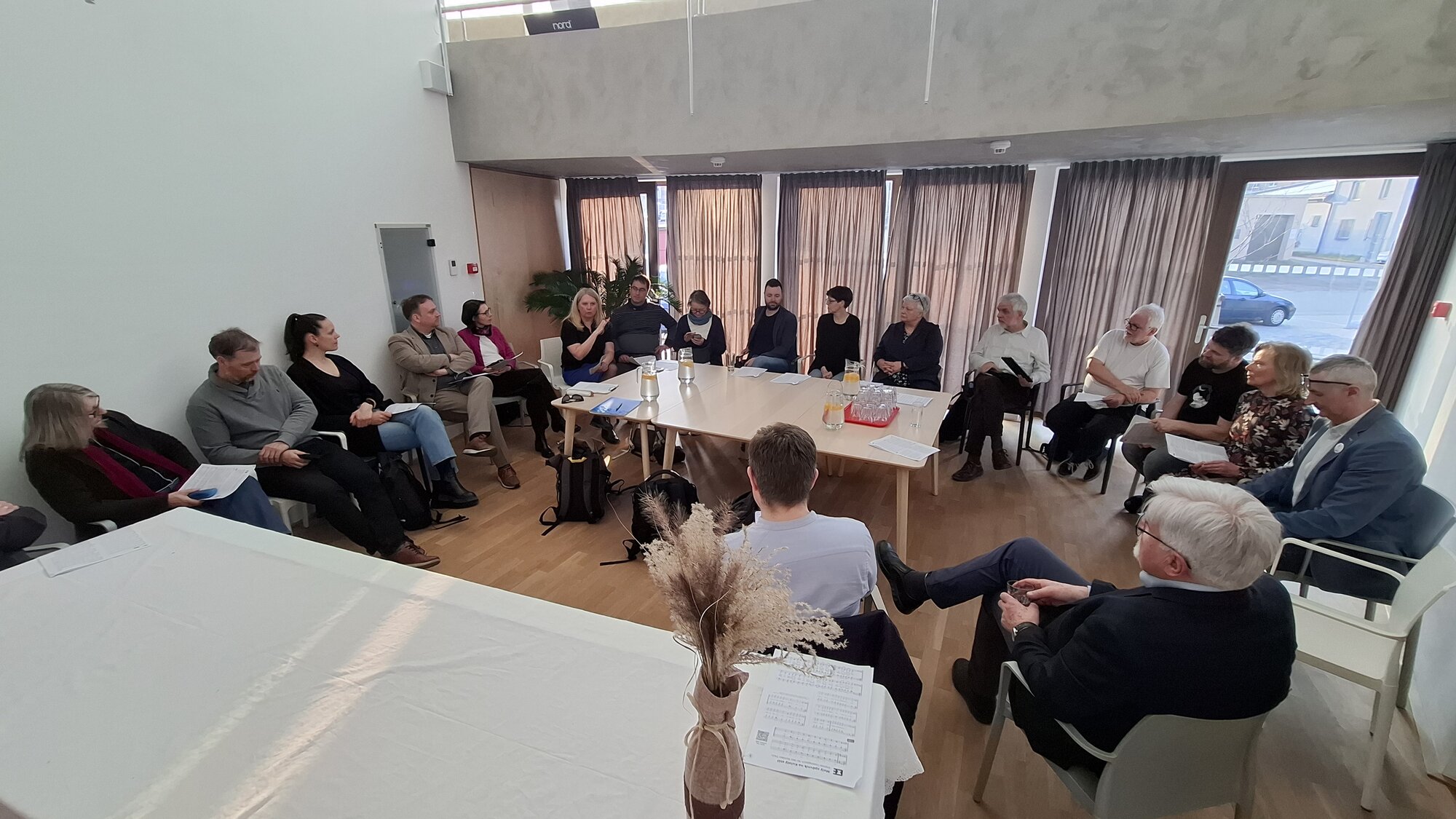 |
| The meeting took place, among other places, in the premises of the chapel of the recently opened Pomněnka diaconal home. Partners from abroad helped finance the chapel. |
Together on the journey
The meeting was attended by representatives of selected ECCB congregations, members of the synodal council and church office staff. In addition to them, 11 representatives from churches and organizations from Germany, Switzerland and the Netherlands.
What was originally a donor conference, at which churches from richer Western Europe distributed money to projects in the developing Czech Republic, has over time developed into an inspiring partnership conversation about cooperation and mutual sharing of ideas and examples of good practice.
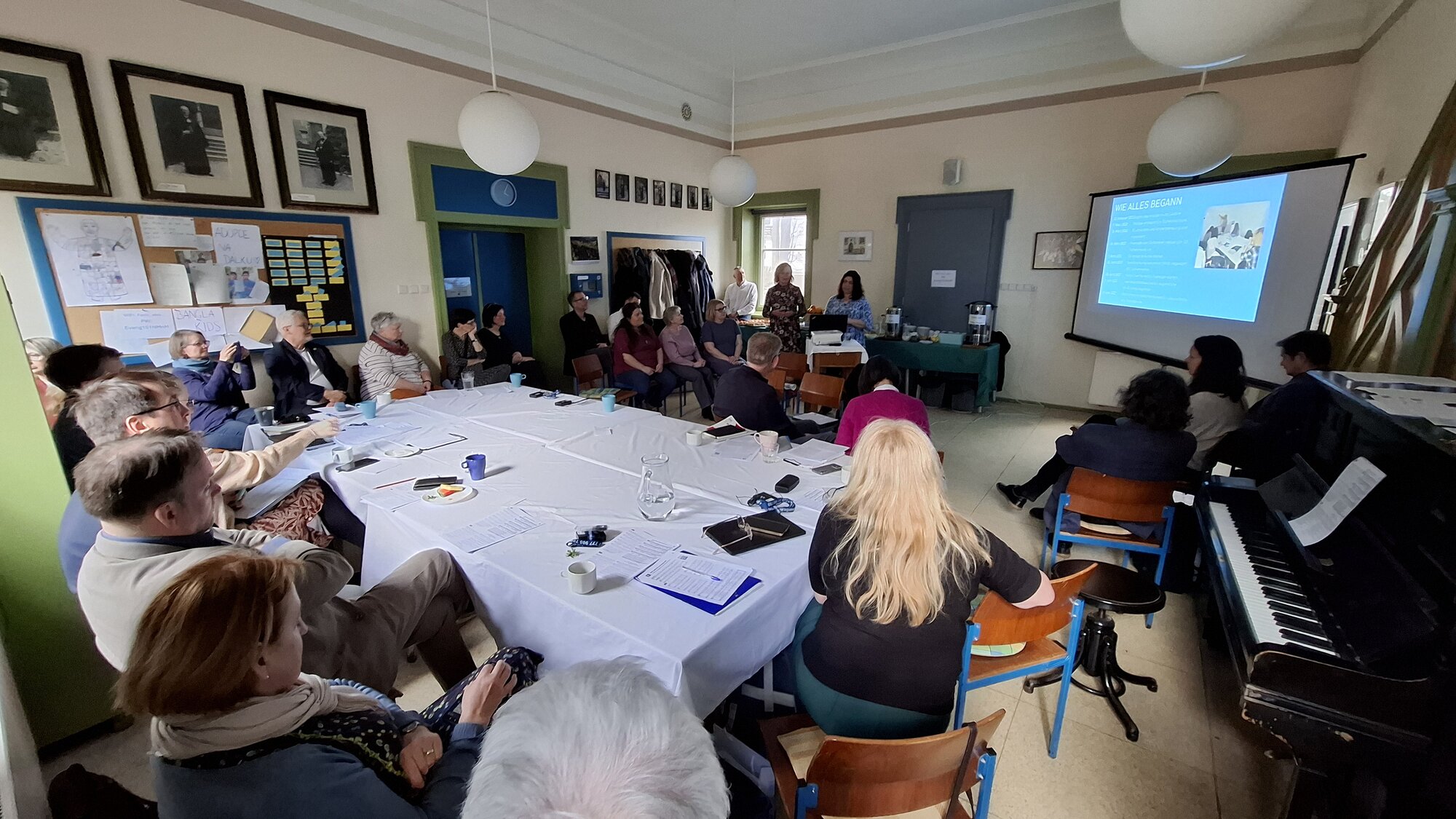
“In recent years, we have been devoting more time to conversation and sharing experiences about the future direction of churches in our countries. And the debate is open and beneficial for both sides. Together, we are facing an outflow of members, but in Western Europe this phenomenon is currently truly massive – with direct impacts on the functioning and structure of the church. We are experiencing radical pressure to streamline administration, sell assets, merge congregations and transform work with people,” explains the head of the church office, Martin Balcar, adding that this trend is particularly painful for traditional majority churches.
In this area, the ECCB offers the experience of a community that is already going through the process of streamlining and increasing dedication. For example, the Czech approach to digitalization, management of church buildings, project management and much greater flexibility in responding to changes is inspiring. “At the same time, it turns out that our lived minority status and emphasis on the development of people and mission are motivating for partners,” points out M. Balcar.
Diversity of church projects
Presentations from various parts of the Czech Republic traditionally form an important part of the meeting. For example, representatives from congregations in Prosetín, Sněžné or Daňkovice spoke about their work. The congregation from Brno – Židenice also presented its long-term work with the Ukrainian refugee minority.
This year, the conference participants also offered to support selected projects that congregations submit to the internal grant competition through the system of so-called early projects. Foreign donations will therefore exclusively support development activities in the field of education, human development or thoughtful reconstruction of churches and parishes, which will lead to broader community involvement and openness of the community.
“We are grateful for this support and we emphasize to our partners that our goal is to build a self-sufficient church that gives more than it receives. In a situation where funding demands from congregations are growing sharply, we appreciate support from abroad and are extremely happy for this relief. We simply could not afford some educational and development projects at the moment,” adds Martin Balcar and emphasizes that the CCE wants to continue to maintain and develop relationships with its foreign partners so that they are mutually enriching and, in the best sense of the word, reciprocal. “We can already now not only receive, but also help and support,” he concludes.
The meeting in this format is held annually. Every other year, it is organized in the Czech Republic. The visits are directed to places that foreign churches have supported with their donations. Among other projects, this includes, for example, the chapel space in the recently opened Pomněnka diaconal home in Nové Město na Moravě. It is a residential facility for people with Alzheimer's disease. Two years ago, a meeting was held in Kateřinice in the renovated church premises.