Summary of the 4th session of the 36th Synod
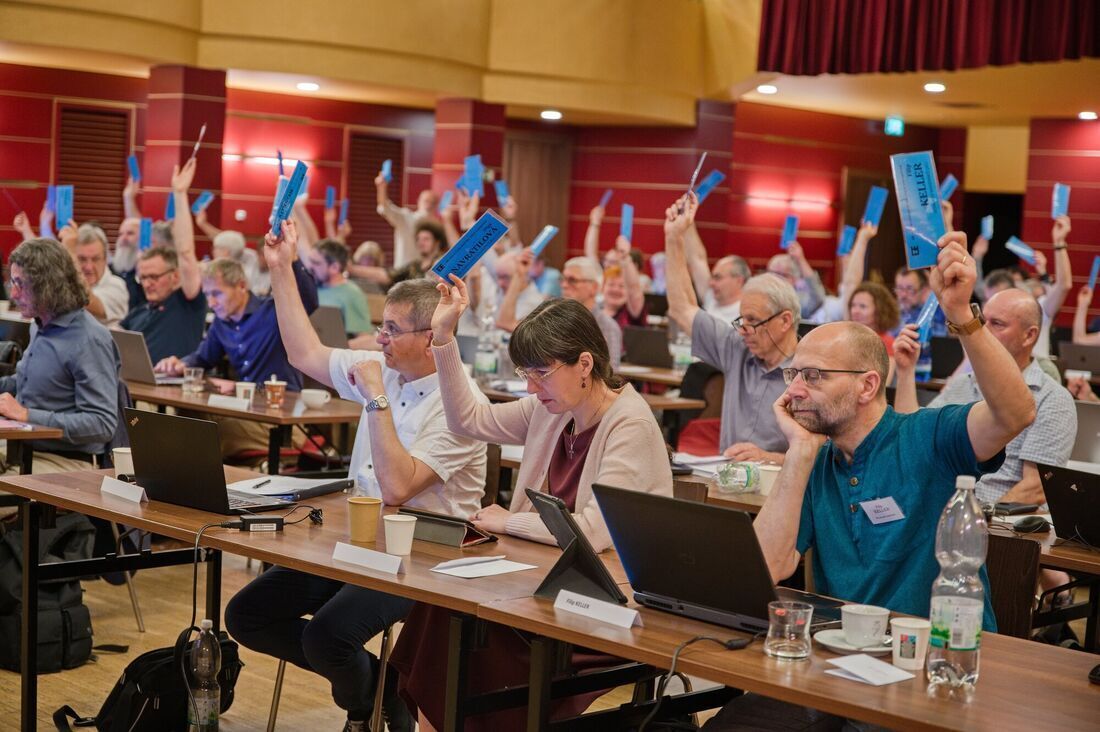
This year's 4th session of the 36th Synod of the Czech Brethren took place from 21 to 23 May at the Svoboda Cultural Centre in Cheb, West Bohemia. The church has a code of ethics and a new chaplain position, and the synod concluded by commenting on Czech-German relations.
ℹ️ More information about the synod proceedings:
- The 4th session of the 36th Synod began with a Thursday meeting. The upcoming election to the Synod Council resonated in the debate
- Thursday online report from the whole day (21.05.2026)
- Opening service of the Synod (photos + video)
- Big economic topics came up on Friday morning
- Friday afternoon was about clergy salaries, there was talk of the end of the Diakonie humanitarian centre
- Friday online report from the whole day (22.05.2026)
- Friday seniority evening (photo)
- On Saturday morning, the Synod discussed changes to the Church Constitution and opened the topic of baptism
- Saturday afternoon: the Synod approved the reconstruction of the Hus House. He also commented on the Czech-German reconciliation
- Saturday online report from the whole day (23.05.2026)
- Statement of the 4th session of the 36th Synod of the ECCB
- Summary article from the synod (you are reading now)
Chaplains and a pastor for minorities were elected
In the first part of the program, elections were held for several church functions. Michal Sadílek (from the congregation in Litomyšl) became a new member of the investment committee of the synod council for an exceptionally shortened period (from six to four years) from 1 July 2026 to 31 December 2030. Kateřina Pobudová (Jindřichův Hradec) was elected as the second substitute to the Church Pastoral Council from the ranks of the presbyters, Jan Turek (České Budějovice) became the 2nd substitute to the Regional Pastoral Council (RPC) I from among the presbyters, Petr Oliva (Litomyšl) became the 2nd substitute to the RPC II from among the presbyters. Vladislav Geryk (Jablůnka) was elected as a substitute for RPC III from among the presbyters.
Štěpán Zbytovský (Prague – Horní Počernice), who works as the director of the Institute of Germanic and Nordic Studies at the Faculty of Arts of the Charles University, became the chairman of the commission for the evaluation of graduates of the vicariate and deacon practice. Jakub Keller (Mladá Boleslav) and Dan Ryšavý (Prostějov) were chosen as his replacements.
Mikuláš Vymětal was elected church-wide pastor for minorities until the end of 2028. He thus followed up on his previous work in this position, which he has held since 2015. Radim Žárský was elected church-wide pastor with the assignment for the Evangelical Academy in Náchod – he is also not a newcomer to his position, but continues on from the previous period. Eržika Frinková, who currently works at Mělník Hospital, was sent to chaplain service.
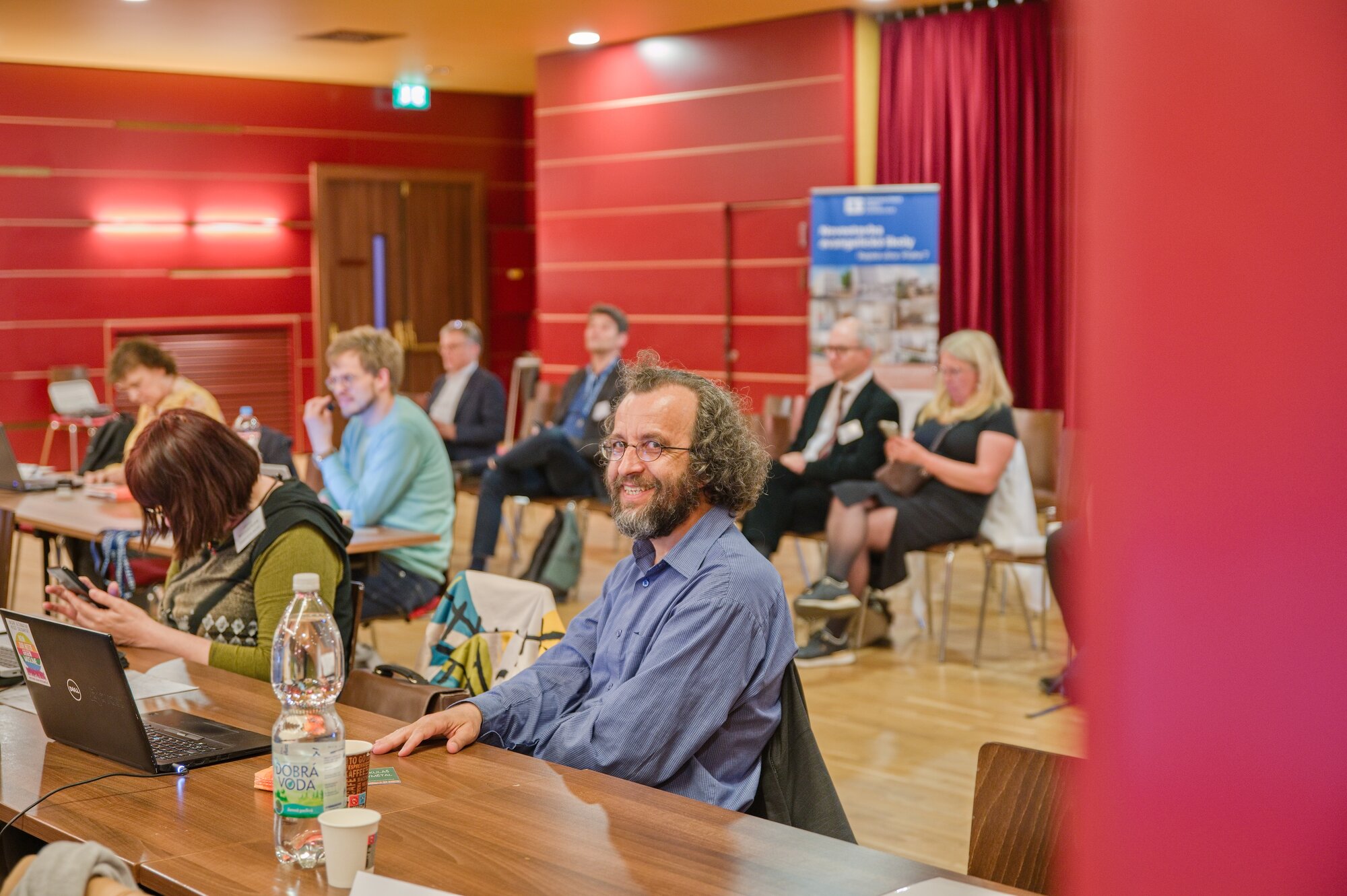
The Synod also adopted a code of ethics for a safe church. “The Gospel of Christ contains a special appeal to our responsibility towards the ‘little ones’ (Mark 9:42). This code of ethics aims to remind us of this responsibility in the spirit of the Gospel, to clarify it and to protect the weak and vulnerable – not only from intentional abuse or arbitrariness, but also from inconsiderateness that sometimes stems from insensitivity or ignorance. The code does not aim to describe all possible situations or risks. It wants above all to show the direction and help create a safe, sensitive and understanding environment in the church,” the preamble to the document states.
The Synod discussed a number of economic topics
A large part of Friday’s program was made up of economic topics. The finances of the general congregation last year were briefly presented by Věra Štulcová, the chief economist of the church central office. “Last year, we received more money from our own sources than from the state. That is good news and I think we can be proud of ourselves,” she noted.
The general congregation budget for 2026 was approved. The mandatory amount of the contribution to the Personnel Fund for full-time preaching for 2028 is CZK 540,000, with the lump-sum part of the contribution being CZK 410,000 and the basis for calculating the proportional part of the contribution being CZK 130,000. Church-wide distributions for 2027 (calculated according to the current ratio of seniors) were also approved. From 2020, they will remain at the level of CZK 8 million.
A proposal regulating the charging of services, most often weddings or funerals, was smoothly approved. The directive leaves as much freedom as possible to congregations and preachers. It takes into account specific local conditions and the situation of individuals. Its intention is not to restrict or regulate the performance of services, but above all to enable the proper acceptance of payments and gifts.
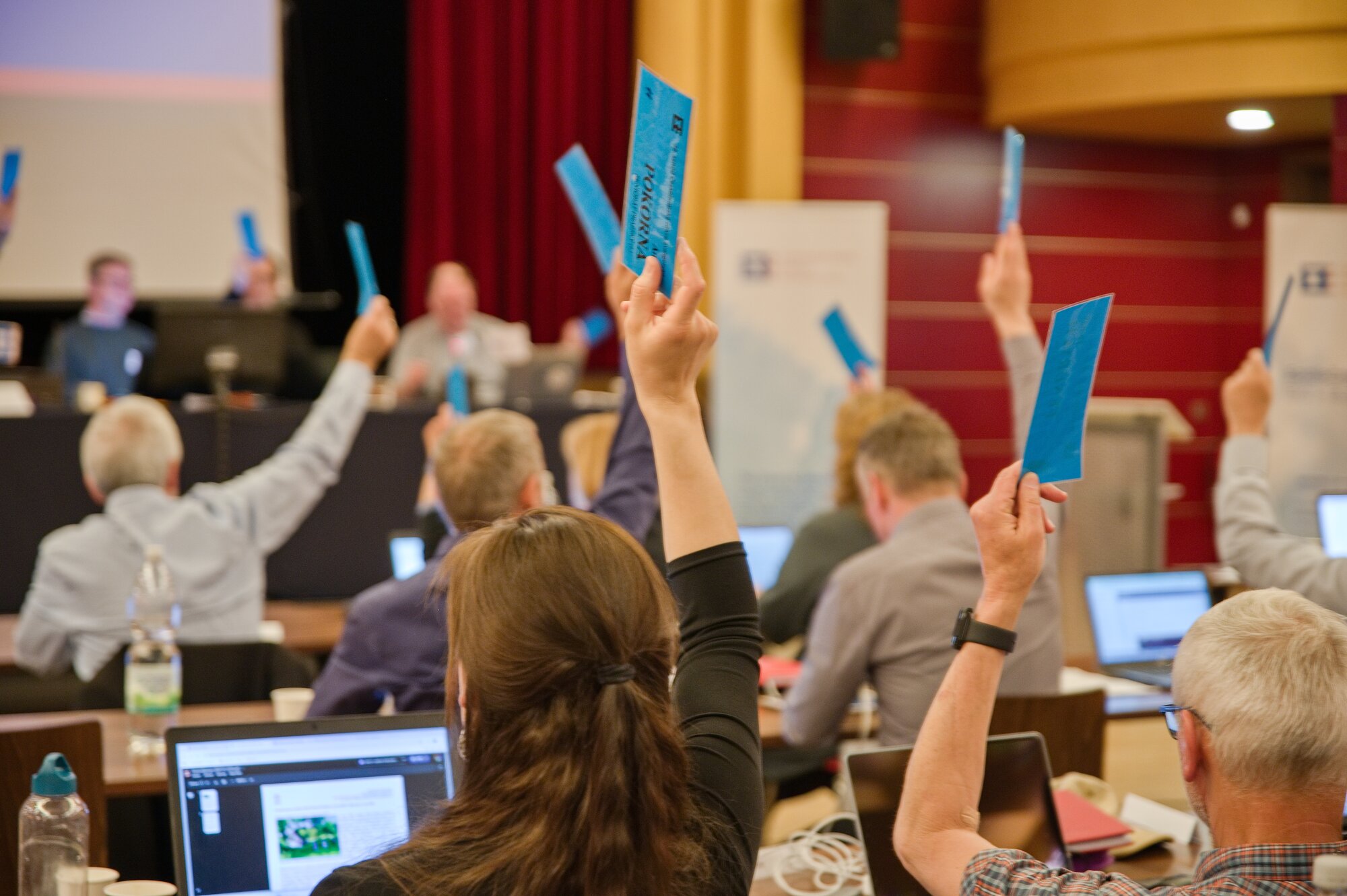
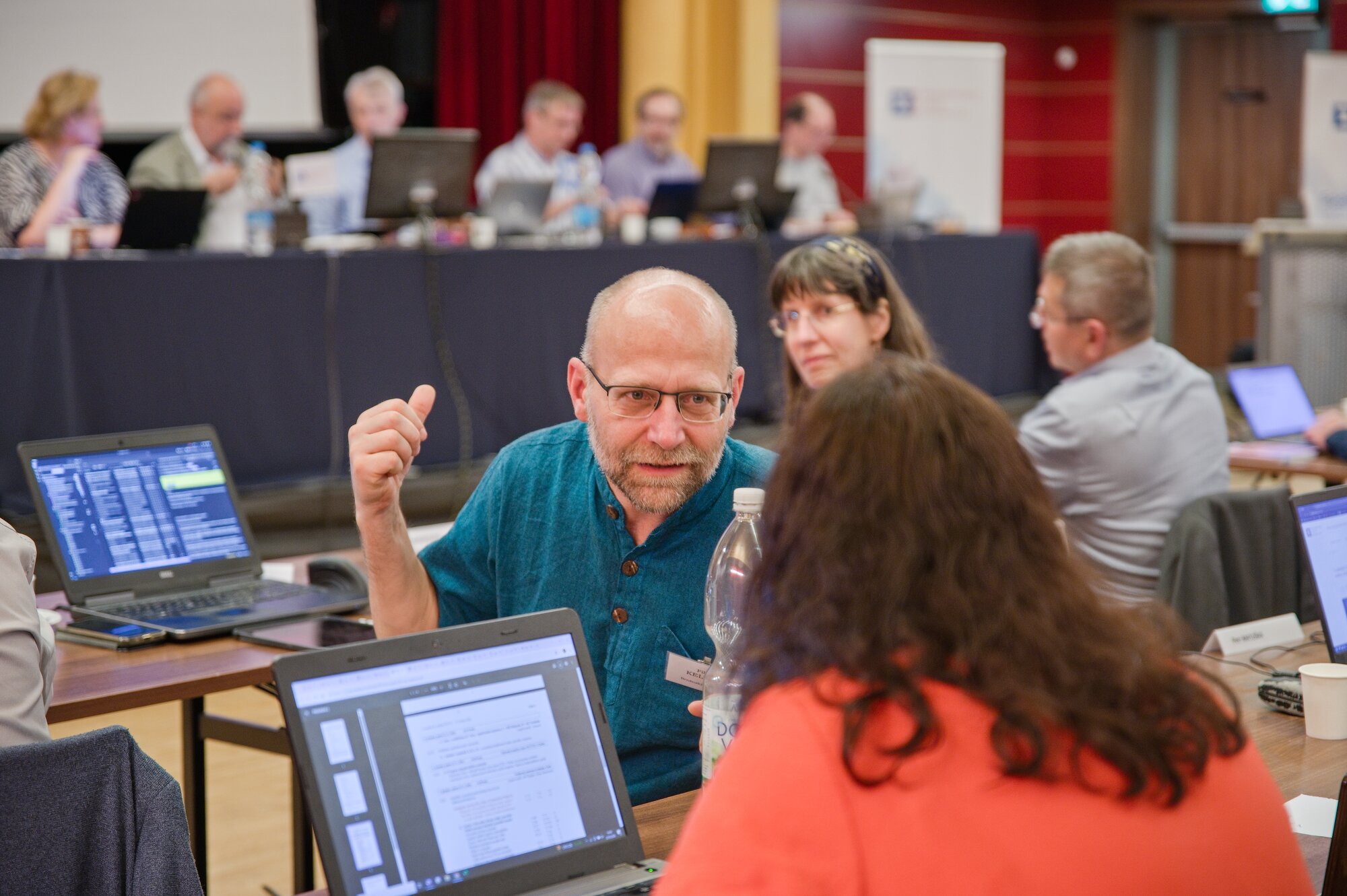
A report on the progress of the construction of a new building for the Prague schools of the Evangelical Academy was approved. The submitted document was presented by the Synodal Curator Jiří Schneider. He thanked all the Synod members who supported the project at the last year’s extraordinary session of the Synod. He also expressed his gratitude to the employees of the church central office and other people who are helping with the project. “I am proud that our Church has embarked on such a project, because it concerns schools that are viable and dedicated to education,” he added. Just a few days before this year’s Synod, the selection process for the director of the merged school that will be located in the building culminated. The selection committee clearly recommended Ms. Andrea Cibulková, and the Synod Council subsequently appointed her to this position.
The Synod instructed the Synodal Council to continue preparing the proposal for the establishment of a new legal entity for the management of unnecessary real estate. Based on the voluntary decision of the congregations, it would take over their unnecessary or difficult-to-maintain real estate, which the entity would professionally manage and further develop, rent or sell as needed.
The Diakonie Humanitarian Center is ending, its director explained why
The situation in the Diakonie of the Czech Republic was also discussed. At the beginning of this year, the Center for Humanitarian and Development Cooperation (CHDC) announced that it was ending its activities. Czech humanitarian activity will be completely terminated. It will continue in the area of foreign cooperation, but only to a limited extent so that Diakonie can meet its contractual obligations.
The current status of the CHDC was presented by its current director Štěpán Brodský. “There have been cuts in funding from the state. This is a fundamental financial turning point that will knock out the functioning of the centre,” he explained. Diakonie wants to honor ongoing projects and commitments that are contracted until approximately February 2027.
Martin Balcar subsequently assured that the humanitarian dimension of the church will continue. Church partners, especially the Gutsav-Adolf-Werk (GAW), the Swiss Church Relief Work (HEKS) and the Lutheran World Federation (LWF), will provide foreign aid. According to Balcar, the plan is to establish cooperation with the integrated rescue system within the Czech Republic.
The general congregation will now contribute from the Personnel Fund of the congregation whose pastor is a senior. In the event that a senior is called to multiple congregations at the same time, the contribution will be divided between them according to the length of the commitment.
On the other hand, congregations will no longer pay contributions to the Personnel Fund for a pastor, deacon or pastoral worker during the time when he is not working due to an obstacle on the part of the employee. However, only if this period lasts at least 7 calendar days.
Preparations for the reform of seniorates culminate
In connection with the implementation of the reform of seniorates, which will take place in January 2027, several transitional measures have been adopted. The term of office of members of seniorate committees, members of presidencies of conventions and conventuals of all seniorates will end on December 31, 2026. Members of seniorate youth departments will automatically become members of temporary youth departments from the beginning of 2027, which will function only temporarily - until June 30, 2027 at the latest. These temporary departments must convene a youth meeting in the seniorate by the end of May 2027. The proposed members of the new youth departments will be elected at that meeting.
On the other hand, the term of office of the regional pastoral councils will be exceptionally extended - until the date of the 1st session of the 37th Synod in May 2027.
Evangelicals will be able to vote from the age of 16, the youth department is now elected for three years
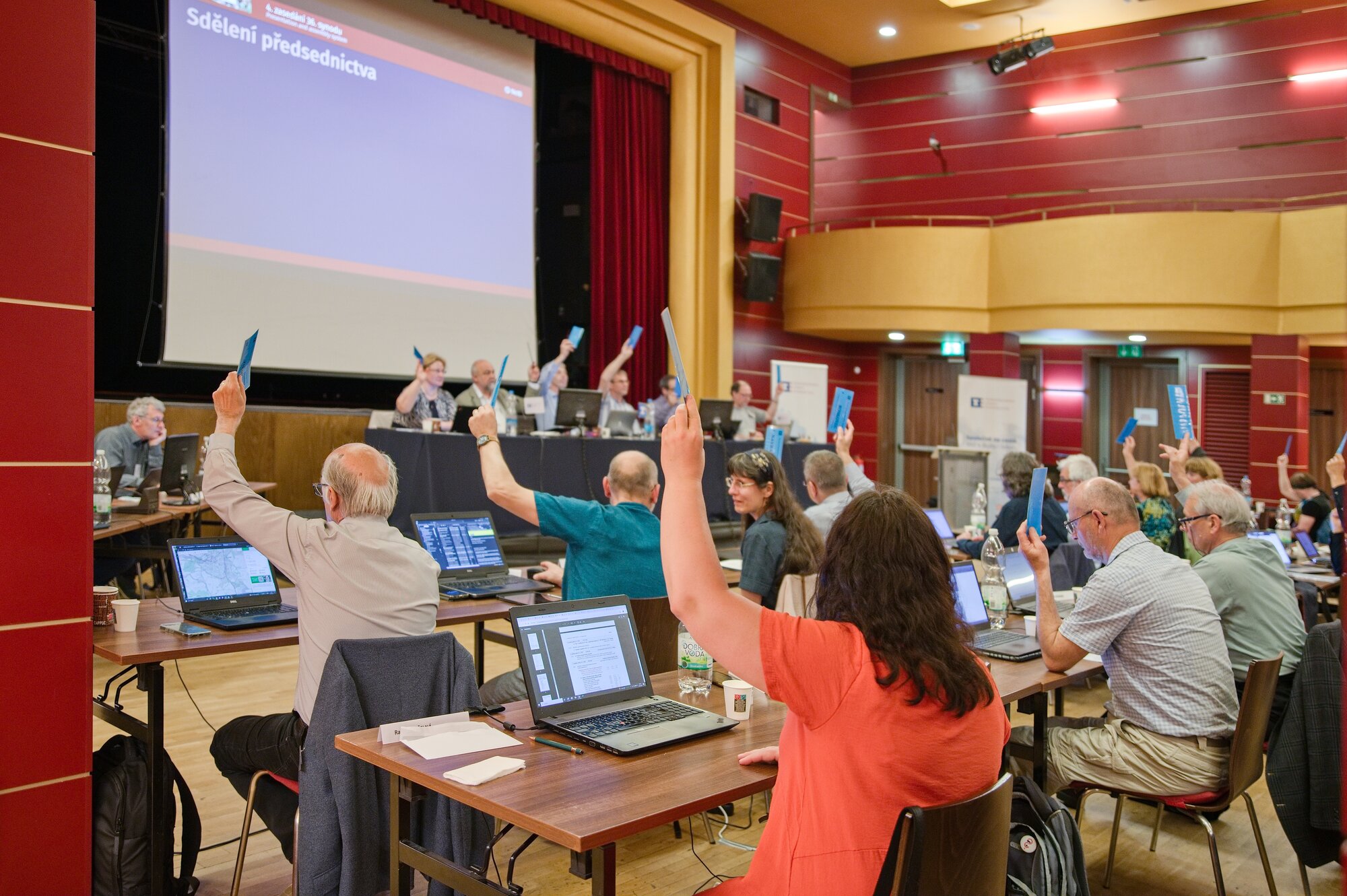
The age limits for elections have also been adjusted. The age limit for active voting rights has been lowered to 16 years (from 18 years), for passive voting rights it has been lowered to 18 years (from 21 years). The lower age limit for the voting rights of a youth representative at a congregational assembly is now 16 years (compared to the previous 18). The current decision is the culmination of a church-wide process that began last year's synod session and parish congregations and seniorates also expressed their views on the topic during the year. The changes will now be written into the church regulations and will come into force.
The changes also affected the Order of Education and Training of the Church, specifically the elections to the Church-wide Youth Department. Its members will now be elected for three years (compared to the original two), with one third of the members being elected each year, including one member and one alternate from among the parish priests and deacons. The proposal was adopted by a clear majority.
Elders will now be required to convene a congregational assembly no later than the end of April of the relevant year, instead of the previous deadline of the end of March. This shift will provide congregational accountants in particular with sufficient time to prepare the materials for the congregational assembly. At the same time, the deadline for submitting registration questionnaires and the financial statement will be shifted accordingly by one month.
How to understand baptism? Synod opens wider discussion
A broad debate has developed on the issue of baptism and church membership. In current practice, a baptized person automatically becomes a member of a specific parish congregation, but more and more often there are also those interested in baptism outside traditional congregations, for example from various missionary projects such as Nekostel (Non-Church) or the community around the evening services in the Prague church of Martin in the Wall. The Synod instructed the Synod Council to initiate a church-wide conversation about baptism and membership in the ECCB, taking into account the material presented and the discussion at the Synod.
New chaplain position to be added to Brno school
The Synod has given the green light to establish the position of a church-wide pastor for the Evangelical Grammar School and Brno Primary School. This will join six other schools of the Evangelical Academy where the position of school chaplain already exists. "I consider it important to support this position. School chaplains and pastors help make our schools evangelical. From conversations with them, it is clear that their work has an impact on transmitting important values," said Deputy Synodal Curator Jana Šarounová. Alžběta Macková, who is currently serving as a vicar, is still performing activities at the school that meet the characteristics of a clergy service.
The green light was also given to the project to modernize meeting spaces in the Hus's House in Prague (Jungmannova 9), which is being prepared by the Central Church Office. The premises are in poor technical condition and do not meet current needs – for example, they lack quality facilities, acoustics, modern equipment and barrier-free toilets, which limits their use. The reconstruction is to create a modern and well-equipped facility for educational activities, including structural modifications, a new interior and audiovisual equipment. Implementation is planned for 2026 with an expected completion in early 2027. The project has a budget of CZK 10.5 million.
New chaplain position to be added to Brno school
The Synod has given the green light to establish the position of a church-wide pastor for the Evangelical Gymnasium and Brno Elementary School. This will join six other schools of the Evangelical Academy where the position of school chaplain already exists. "I consider it important to support this position. School chaplains and pastors help make our schools evangelical. From conversations with them, it is clear that their work has an impact on transmitting important values," said Deputy Synod Curator Jana Šarounová. Alžběta Macková, who is currently serving as a vicar, is still performing activities at the school that meet the characteristics of a clergy service.
The green light was also given to the project to modernize meeting spaces in the Hus House in Prague (Jungmannova 9), which is being prepared by the Central Church Office. The premises are in poor technical condition and do not meet current needs – for example, they lack quality facilities, acoustics, modern equipment and barrier-free toilets, which limits their use. The reconstruction is to create a modern and well-equipped facility for educational activities, including structural modifications, a new interior and audiovisual equipment. Implementation is planned for 2026 with an expected completion in early 2027. The project has a budget of CZK 10.5 million.
Traditionally, ecumenical guests are also present at the synods of the Evangelical Church. This year, the deputies were greeted during the meeting by Martin Hirzel (Evangelical Reformed Church in Switzerland), Berthild Sachs (Evangelical Lutheran Church of Bavaria), Enno Haaks (Gustav-Adolf-Werk) and Tomáš Holub (Roman Catholic Church in the Czech Republic). The latter highlighted the good inter-church cooperation. He suggested that some mechanisms operating in the Evangelical Church could be an inspiration for the implementation of the synodal process in the Catholic Church.
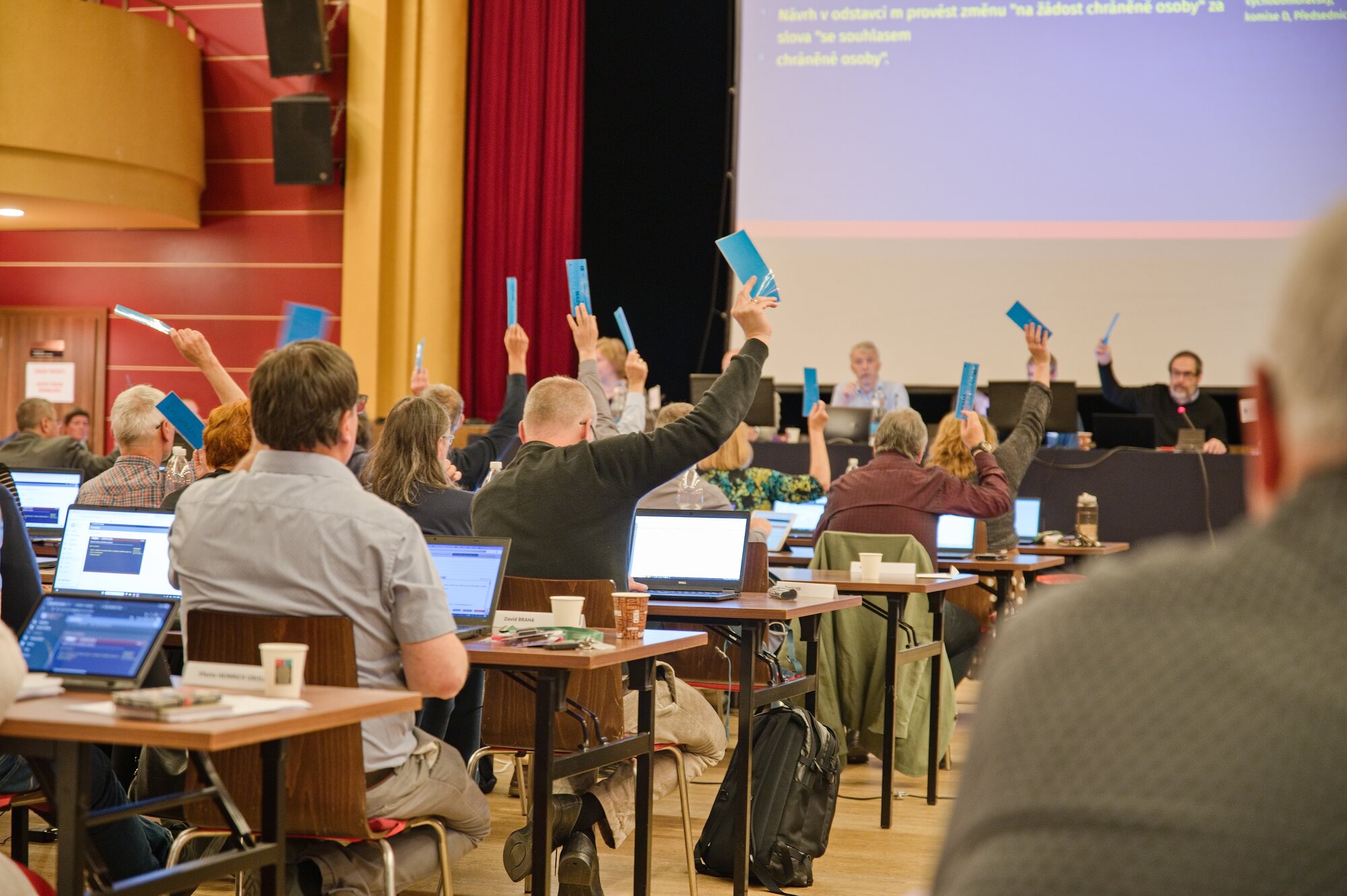
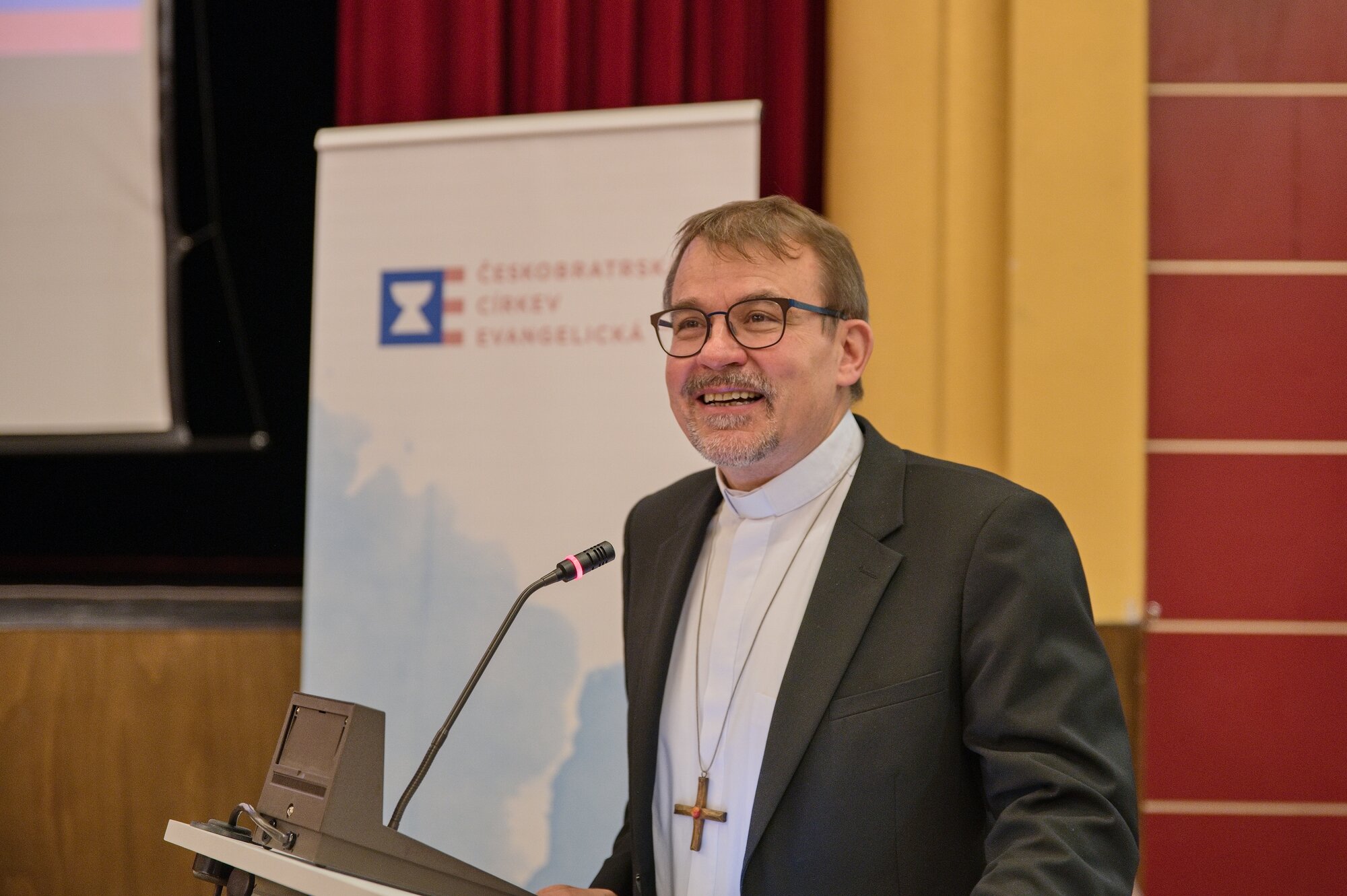
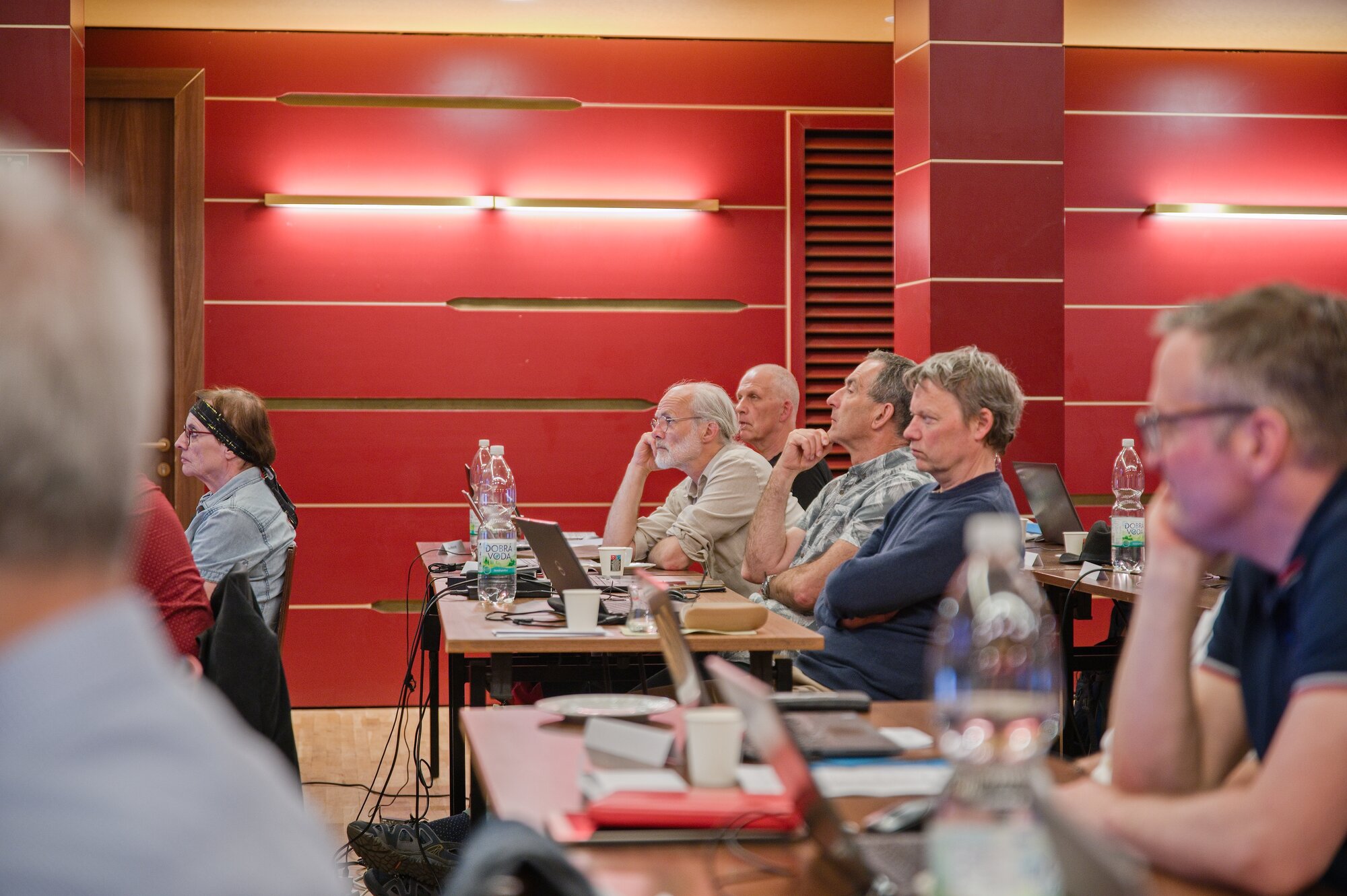
In its conclusion, the synod adopted a resolution on Czech-German reconciliation. “The Synod of the Evangelical Church of Czech Brethren welcomes every effort aimed at reconciliation between individuals and between different groups. Therefore, we appreciate the goodwill of the Meeting Brno association and the Sudeten German Expatriate Association, who dare to take another step on the path of confession and reconciliation of historical guilt during the Pentecost holidays in 2026. [...] Our history teaches us that inciting fear and hostility towards groups of people always leads to a bad end. We therefore appeal to politicians and public figures not to participate in the atmosphere of hatred and nationalist propaganda. We stand in solidarity with those who are being adversely affected by the current incitement of this hatred.” The full text of the statement and more detailed coverage of this year’s synod is available on the website synod.e-cirkev.cz.
In 2027, the Synod meeting will move back to Prague, where the 1st session of the 37th Synod will take place from June 10-12. However, the plenum will meet this autumn at an extraordinary session, the central point of which will be the election of a new Synod Council.